Beyond Sleep Apnea: Revolutionizing Chronic Disease Prevention with Precision Sleep Diagnostics
In the ever-evolving realm of **medical science**, **sleep health** has emerged as a cornerstone in understanding and preventing **chronic diseases**. Traditionally, the focus has been heavily skewed towards **sleep apnea**, a condition recognized for its interruptions in breathing during sleep. However, the **diagnostic capabilities** of **sleep science** have expanded, providing us with cutting-edge tools to delve deeper into the spectrum of **sleep-related disorders** and their implications for **chronic disease prevention**. These advancements are revolutionizing not just how we approach **sleep health**, but also how we can leverage it to foretell and prevent chronic ailments like **cardiovascular diseases**, **diabetes**, and even **neurodegenerative disorders**. As **technologies** advance, **precision sleep diagnostics** offer a tailored understanding that can predict health disruptions well before they manifest in a clinical setting, potentially transforming **preventative healthcare**.
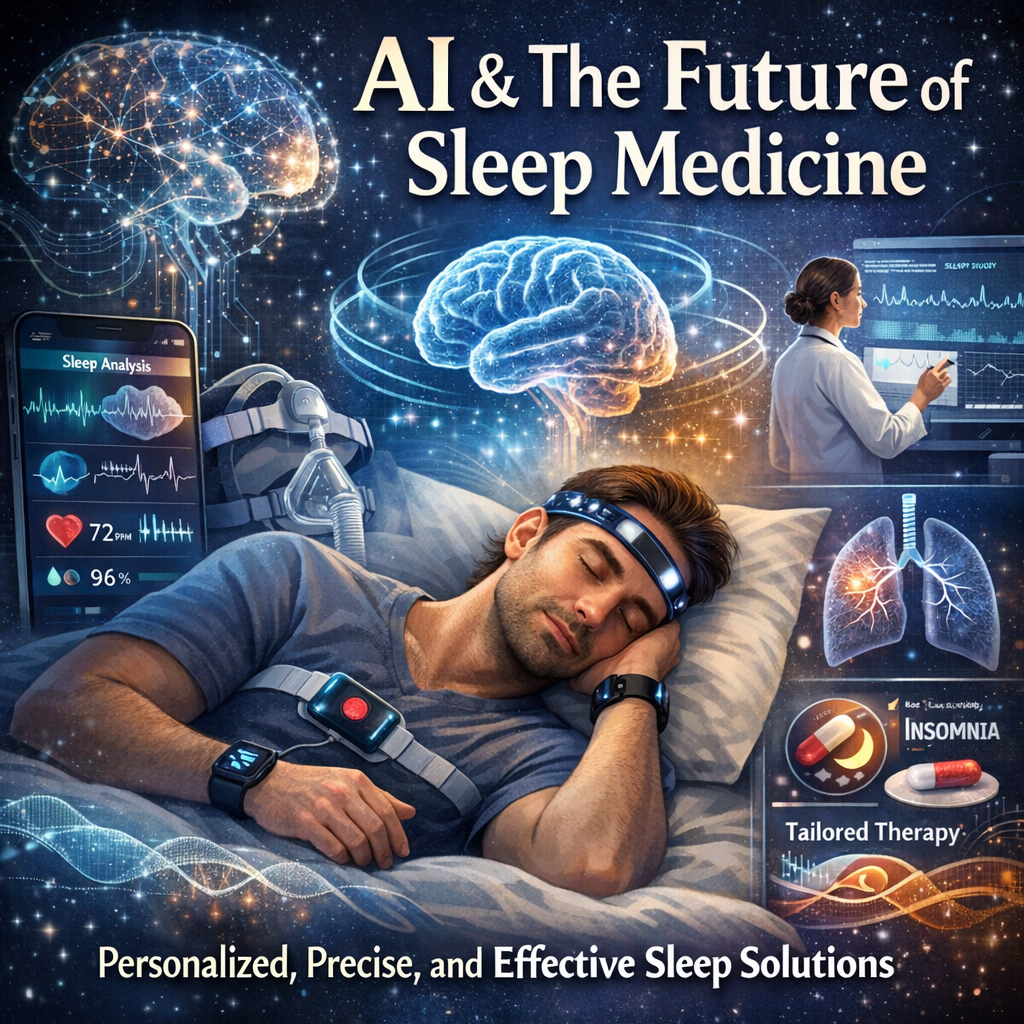
The future of **chronic disease prevention** rests significantly upon our ability to integrate **precision sleep diagnostics** into routine health check-ups. Imagine a world where before experiencing major health setbacks, subtle nuances in **sleep patterns** are identified as precursors to more severe conditions. **Precision sleep diagnostics** have the potential to unlock this future. This innovative approach harnesses **technology** and **data analysis** to provide individualized insights into a person’s unique **sleep architecture**. It’s a significant leap from the generic sleep studies of the past, offering a tailored understanding that can predict health disruptions well before they manifest in a clinical setting.
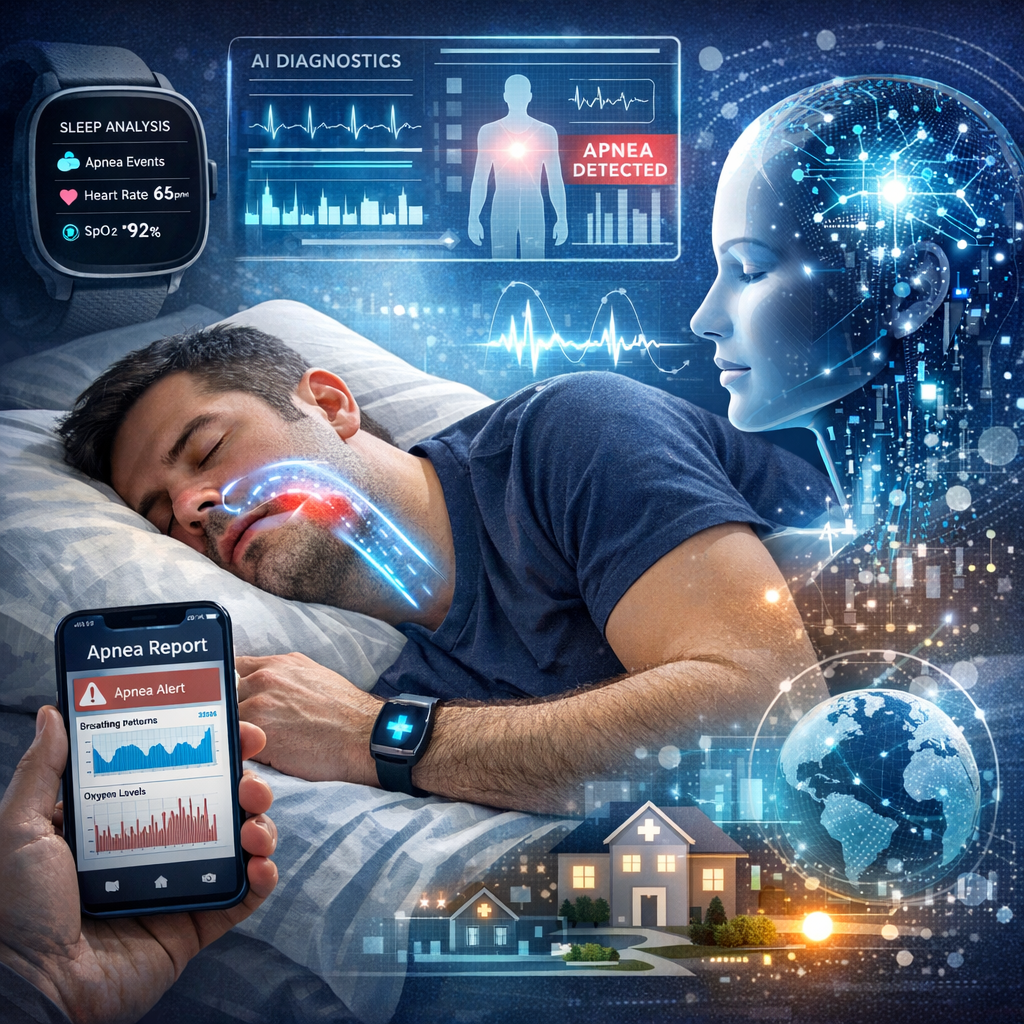
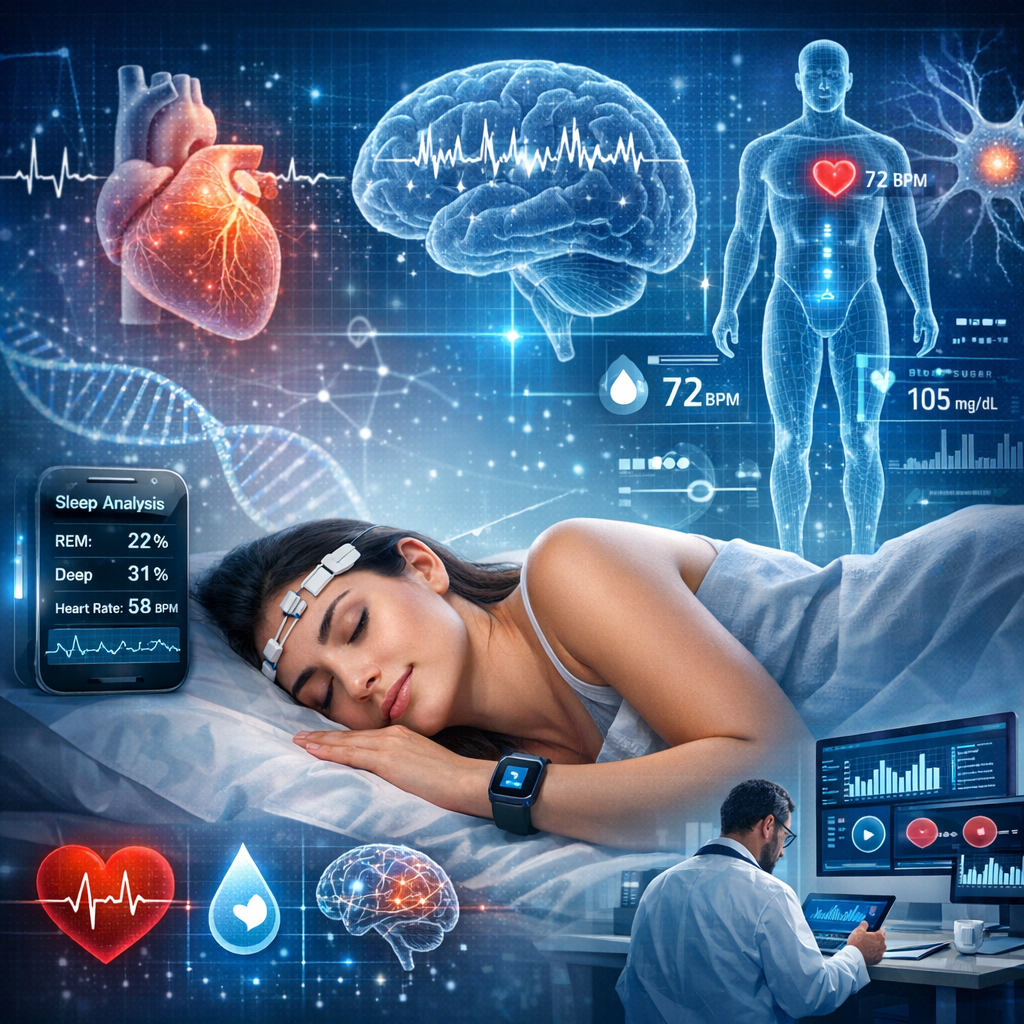
Central to this revolution is the understanding that **sleep quality** does not solely depend on duration or the absence of **sleep apnea**. It also encompasses intricate **biological rhythms**, age-related changes, **psychosocial factors**, and how these interact with individual **health trajectories**. With **precision diagnostics**, we’re now able to detect and decode these complex interactions. Advanced **wearable devices** and non-invasive **sensors** can monitor a plethora of **sleep parameters** in real-time—providing real-world information that traditional laboratory settings often miss. Coupled with sophisticated **algorithms** that interpret this data, we can now pinpoint specific **sleep issues** with remarkable accuracy.
The implications of this for **chronic disease prevention** are profound. Consider the connections between poor sleep and the development of **hypertension** or **insulin resistance**—conditions that, if detected early through changes in **sleep patterns**, could be managed better with **lifestyle interventions** long before they require **medical treatment**. This approach not only prioritizes **preventative healthcare** but also empowers individuals to take charge of their health outcomes through informed changes.
Features: Professional and Medical Studies on Precision Sleep Diagnostics
Recent studies have begun to illuminate the vast potential of **precision sleep diagnostics**. A study published in the journal *[Nature and Science of Sleep](https://www.dovepress.com/nature-and-science-of-sleep-journal)* highlighted the use of **machine learning algorithms** to analyze **sleep data** collected from **wearable technology**. These algorithms can identify patterns linked to increased risks for **cardiovascular diseases** and **diabetes**. By analyzing variations in **sleep stages** and their association with **metabolic disruptions**, researchers can predict the onset of these conditions more accurately than traditional methods.
Another pivotal piece of research published in *[The Lancet](https://www.thelancet.com/journals/lancet/article/PIIS0140-6736(21)00346-X/fulltext)* outlined how variations in sleep duration and quality are associated with the development of **cognitive decline**. The study followed individuals over several decades and found that disruptions in **REM sleep**, in particular, were early indicators of **neurodegenerative diseases** like **Alzheimer’s**. This revelation underscores the need for a more nuanced examination of sleep beyond sleep apnea, identifying key diagnostic markers that could lead to early interventions.
Similarly, research conducted by **[Harvard Medical School](https://hms.harvard.edu/news/sleep-cognition-inflammation)** demonstrated that **sleep fragmentation** and irregular **sleep patterns** could significantly increase the risk of **chronic inflammation**—a precursor for a multitude of chronic diseases. Their findings emphasized the role of precision diagnostics in detecting these subtle yet impactful irregularities which often go unnoticed.
Studies collectively advocate for the integration of **precision sleep diagnostics** in regular health assessments. They highlight its efficacy in recognizing current issues and predicting potential health concerns, aligning with the broader goal of **disease prevention**. Such research efforts pave the way for a **healthcare model** that focuses on proactive management rather than reactive treatment.
Conclusion
**Precision sleep diagnostics** represent a transformative shift in how we perceive and utilize sleep in the medical community. By transcending the traditional focus on sleep apnea and embracing a more comprehensive view of sleep health, we equip ourselves with the tools to preemptively tackle chronic diseases. As our understanding of sleep deepens, rooted in empirical research and technological advances, we forge a new path where sleep health is not merely a reactive treatment goal but a proactive cornerstone of **preventative healthcare**.
The integration of individualized **sleep diagnostics** into routine medical practice holds promising potential for long-term health benefits. It invites everyone—**medical professionals**, **patients**, and researchers—to collaborate in harnessing these insights for healthier, longer lives. Ultimately, this revolution in sleep science not only aims to enhance individual well-being but also alleviate the growing burden of chronic diseases on global healthcare systems.
**Concise Summary**
Precision sleep diagnostics are a revolutionary advancement in preventative healthcare, expanding beyond the traditional focus on sleep apnea. By utilizing advanced technology and data analysis, these diagnostics provide individualized insights into a person’s unique sleep architecture. This allows for early detection of potential health disruptions like cardiovascular diseases, diabetes, and neurodegenerative disorders. Studies highlight their potential; machine learning algorithms can predict health risks accurately. Integration into routine check-ups is encouraged, promoting proactive management of chronic diseases and fostering collaborative efforts among medical professionals, patients, and researchers for improved global health outcomes.

Dominic E. is a passionate filmmaker navigating the exciting intersection of art and science. By day, he delves into the complexities of the human body as a full-time medical writer, meticulously translating intricate medical concepts into accessible and engaging narratives. By night, he explores the boundless realm of cinematic storytelling, crafting narratives that evoke emotion and challenge perspectives.
Film Student and Full-time Medical Writer for ContentVendor.com