The Oxygen Paradox: How Breathing Mechanics Are Shaping Cardiovascular Disease Risk – Uncover the Hidden Threats in Sleep Medicine
**Introduction**
**Breathing** is one of the most fundamental and instinctive actions our bodies perform, yet its impact on our overall health, particularly **cardiovascular health**, is often overlooked. While **oxygen** is crucial for our survival, the **mechanics of breathing**, particularly during sleep, can significantly influence cardiovascular disease risk. This phenomenon, sometimes referred to as the ‘**oxygen paradox**’, highlights how improper breathing patterns, such as those seen in **sleep apnea**, can lead to adverse health effects despite adequate oxygen intake.
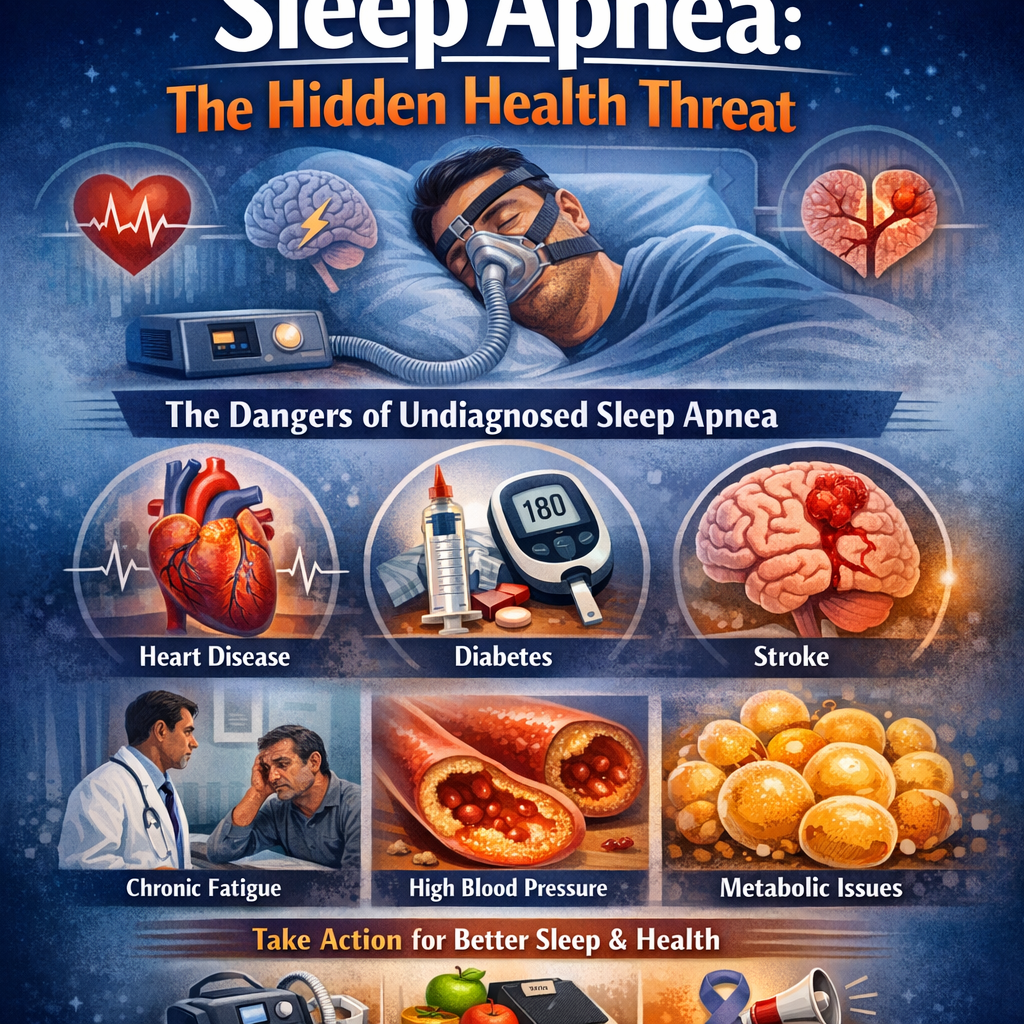
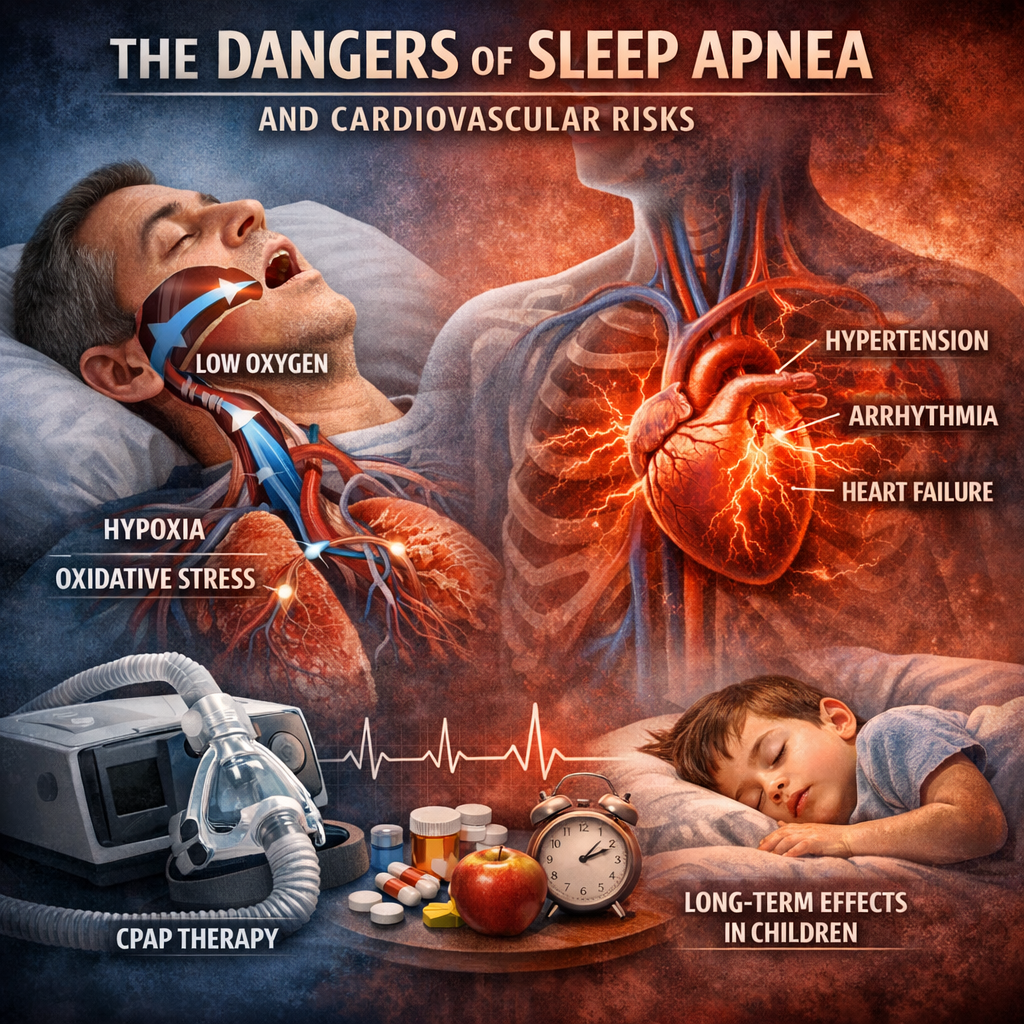
**Sleep** is a restorative state; however, for individuals with **breathing irregularities**, it can become a breeding ground for health issues. Conditions such as **obstructive sleep apnea (OSA)** interrupt normal breathing during sleep, leading to reduced oxygen levels and repeated awakenings, which strain the cardiovascular system. In fact, studies have shown that OSA increases the risk of **hypertension**, **arrhythmias**, **heart failure**, and even **strokes**. The interplay between **sleep-disordered breathing** and cardiovascular health forms a complex web that medical professionals are striving to unravel.
At the center of this puzzle is the issue of **hypoxia** – a condition characterized by insufficient oxygen reaching tissues. During episodes of apnea, the body experiences repetitive cycles of hypoxia and reoxygenation, triggering **oxidative stress** and inflammation. These physiological responses can damage blood vessels and promote **atherosclerosis**, thereby heightening cardiovascular risks.
Importantly, the impact of these respiratory disturbances isn’t limited to adults. **Children** suffering from sleep-disordered breathing are also at risk of future cardiovascular complications. **Pediatric sleep apnea**, often characterized by snoring and labored breathing, can lead to **metabolic dysfunction** and elevated blood pressure, threatening long-term cardiac health.
Understanding the effects of breathing mechanics during sleep offers a window into preventative health strategies. Addressing sleep-related breathing issues not only improves sleep quality but also reduces cardiovascular disease risk. This article will explore research studies examining the link between breathing mechanics and cardiovascular health, uncover the underrecognized threats in sleep medicine, and shed light on effective interventions that can safeguard our vascular wellness.
Features
Recent medical studies have provided significant insights into the relationship between breathing irregularities during sleep and cardiovascular disease risk. The [Wisconsin Sleep Cohort Study](https://pubmed.ncbi.nlm.nih.gov/24700264/), one of the pioneering research initiatives, highlighted that individuals with severe untreated sleep apnea have an increased risk of all-cause mortality, including cardiovascular mortality, by threefold compared to those without sleep apnea.
Furthermore, a study published in the [Journal of the American College of Cardiology](https://www.jacc.org/doi/10.1016/j.jacc.2020.01.016) detailed how nocturnal hypoxia is a potent trigger for cardiovascular issues. The cyclical drop in oxygen levels during apneic episodes leads to sympathetic nervous system activation, which elevates blood pressure and heart rate. This mechanism not only contributes to hypertension but also predisposes individuals to arrhythmic events and ischemic heart diseases.
In **pediatric populations**, research published in the [Pediatrics journal](https://pediatrics.aappublications.org/content/early/2020/02/06/peds.2020-2176) emphasized the potential long-term cardiovascular effects of untreated sleep apnea in children. The study found that children with habitual snoring and sleep-disordered breathing exhibited increased markers of cardiovascular strain, such as elevated blood pressure and impaired vascular function, compared to their peers.
Interventions targeting these disordered breathing patterns have shown promising results. **Continuous positive airway pressure (CPAP) therapy**, a standard treatment for obstructive sleep apnea, has been found effective in restoring normal breathing and improving cardiovascular outcomes. According to a study published in the [New England Journal of Medicine](https://www.nejm.org/doi/full/10.1056/NEJMoa1902843), consistent use of CPAP therapy significantly reduced blood pressure and risk of heart-related events in patients with severe OSA.
Emerging research also points towards novel insights into the importance of maintaining **circadian rhythm integrity** and its role in improving breathing mechanics and heart health. Studies suggest that promoting healthy sleep hygiene, coupled with therapeutic interventions for sleep-disordered breathing, can mitigate cardiovascular risks effectively.
Conclusion
The **oxygen paradox** underscores the intricate link between breathing mechanics during sleep and cardiovascular health. As **sleep medicine** continues to evolve, recognizing and addressing sleep-disordered breathing remains essential to improving both sleep quality and overall cardiovascular health. By appreciating the hidden threats that improper breathing patterns pose, individuals and healthcare providers can implement preventive strategies, from lifestyle modifications to medical interventions like CPAP, to mitigate cardiovascular disease risk. Proactive management of sleep apnea and similar conditions is a crucial step towards safeguarding heart health, reinforcing the adage that while oxygen is vital, the manner of its intake—especially during sleep—can be equally consequential.
**Concise Summary**
The **oxygen paradox** reveals the complex relationship between **sleep breathing mechanics** and **cardiovascular disease risk**. **Sleep apnea** and related conditions can elevate **hypertension, arrhythmias, and heart issues**. Research highlights the danger of **hypoxia** during sleep, which instigates oxidative stress and damages vessels, increasing cardiovascular risks. Both **adults and children** face these threats, with significant long-term health implications. Interventions like **CPAP therapy** restore normal breathing, improving cardiovascular outcomes. Understanding and addressing these **breathing disorders** are vital in preventing cardiovascular diseases and promoting a healthy heart through effective sleep management strategies.

Dominic E. is a passionate filmmaker navigating the exciting intersection of art and science. By day, he delves into the complexities of the human body as a full-time medical writer, meticulously translating intricate medical concepts into accessible and engaging narratives. By night, he explores the boundless realm of cinematic storytelling, crafting narratives that evoke emotion and challenge perspectives.
Film Student and Full-time Medical Writer for ContentVendor.com