Why Your Sleep Apnea Could Be the Secret Cause of Your Daytime Anxiety and How to Fix It
Introduction
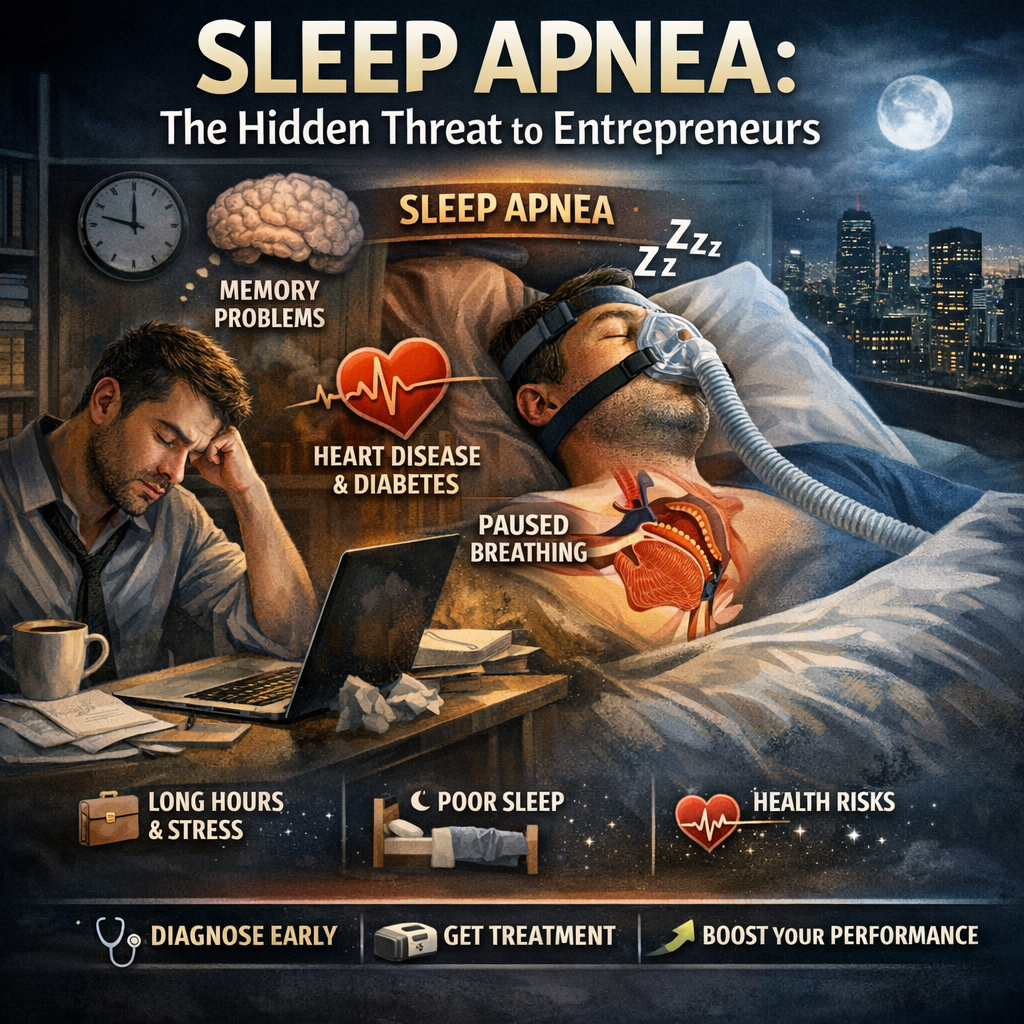
**Sleep apnea** is a common yet often undiagnosed sleep disorder affecting millions globally. Characterized by **pauses in breathing** or shallow breaths during sleep, it results in poor sleep quality and severe health consequences. Interestingly, untreated sleep apnea’s impact extends to **mental health**, particularly elevating **daytime anxiety**. Understanding this connection is crucial for diagnosing and managing these conditions. The persistent fatigue from sleep apnea can contribute to developing anxiety or worsening existing symptoms, creating a debilitating cycle of poor sleep and stress. Recognizing the relationship between sleep apnea and anxiety is the first step toward addressing this issue.
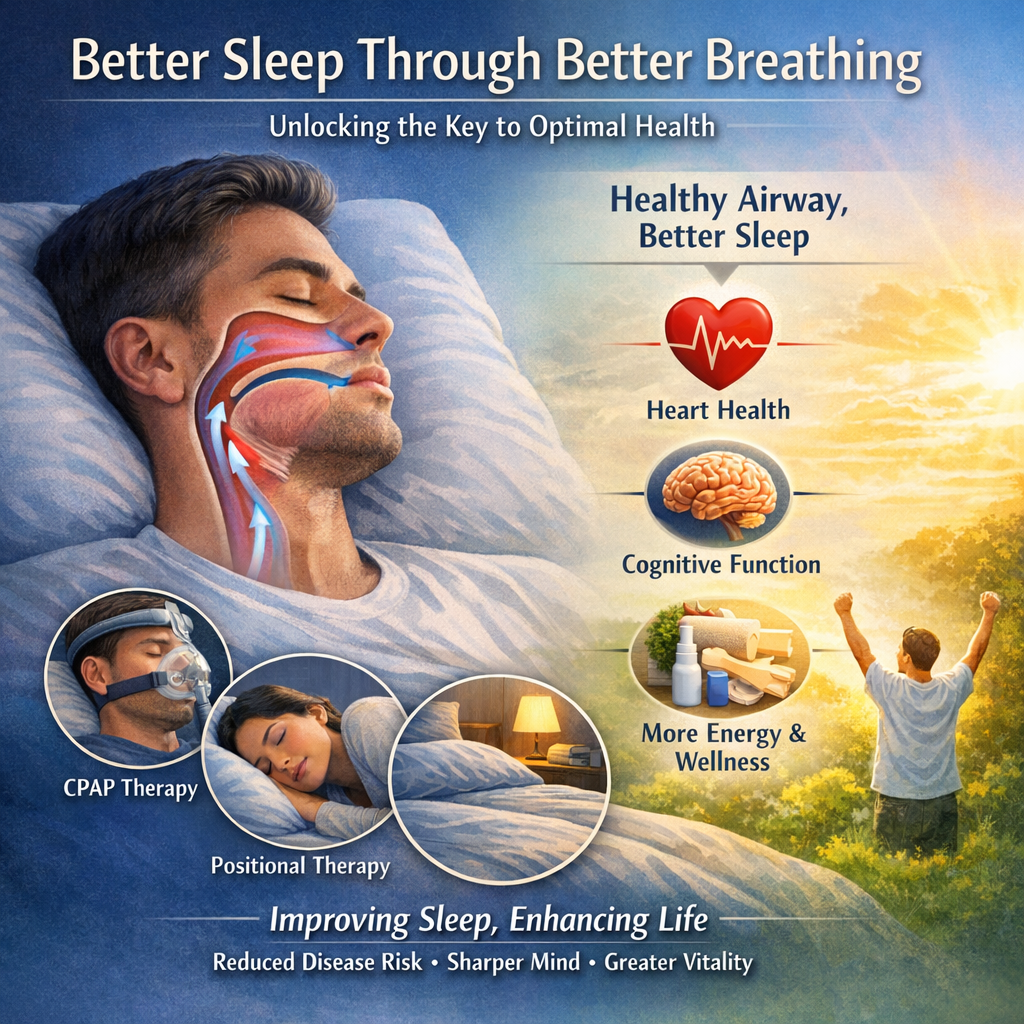
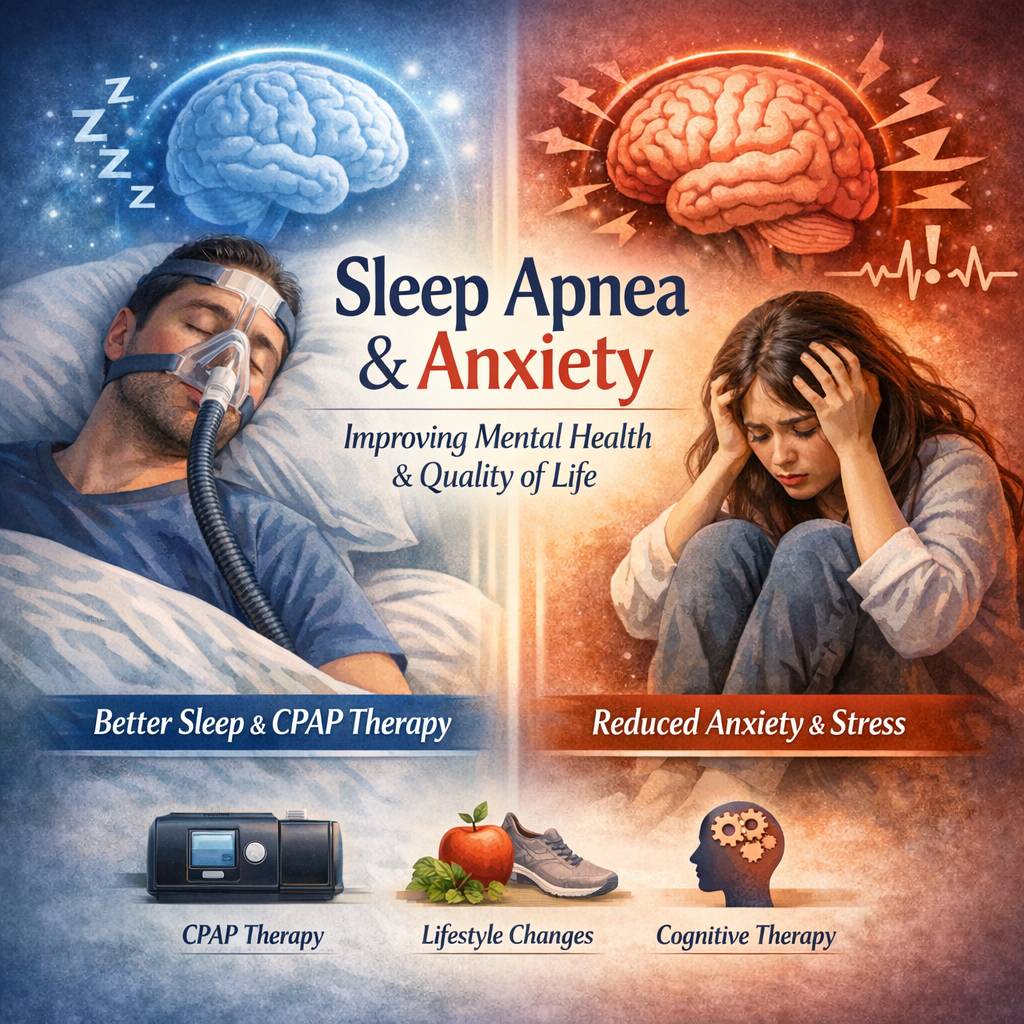
Several mechanisms link sleep apnea with increased anxiety. Interrupted sleep raises **stress hormones** like **cortisol**, exacerbating anxiety. Additionally, oxygen disruptions due to obstructed airways cause brain activity fluctuations, impacting **emotional regulation**. Furthermore, the psychological impact of interrupted sleep significantly impairs cognitive function and overall emotional well-being. Diagnosis and treatment offer significant relief, often involving lifestyle adjustments, **Continuous Positive Airway Pressure (CPAP)** machines, or therapeutic interventions improving nighttime breathing. Addressing the root cause leads to substantial improvements in sleep quality and mental health.
Features
Research indicates a strong connection between sleep apnea and anxiety. A study in “Sleep Medicine” showed untreated **obstructive sleep apnea (OSA)** patients have a higher prevalence of **anxiety disorders**. Disrupted sleep and intermittent hypoxia affect **neurotransmitter systems** like the **gamma-aminobutyric acid (GABA)** system, crucial for **mood regulation** ([National Center for Biotechnology Information](https://www.ncbi.nlm.nih.gov/)).
Additionally, a study from the **American Journal of Respiratory and Critical Care Medicine** found CPAP therapy significantly reduced anxiety symptoms. Participants reported improvements after 12 weeks of CPAP treatment, supporting the hypothesis that improved **oxygenation** and stabilized sleep enhance mood and cognitive performance ([American Thoracic Society](https://www.thoracic.org/)).
Findings in “Behavioral Sleep Medicine” emphasize the psychological burden of sleep apnea. Recurrent interruptions affect physical health and contribute to **helplessness** and loss of control, exacerbating anxiety symptoms. Combining CPAP with **cognitive-behavioral therapy for insomnia (CBT-I)** shows potential in addressing both sleep disruptions and psychological issues simultaneously ([Taylor & Francis Online](https://www.tandfonline.com/)).
Conclusion
In conclusion, while sleep apnea is primarily seen as a physical health issue, it significantly affects mental health through daytime anxiety. As research uncovers connections between sleep disorders and psychological well-being, it’s clear that addressing sleep apnea can improve mental health. Individuals with anxiety and fatigue should consider a sleep evaluation to determine if sleep apnea is a contributing factor. Using CPAP therapy, lifestyle changes, and integrating psychological support like CBT-I can enhance sleep and reduce anxiety. Understanding and addressing sleep apnea’s multifaceted nature can lead to a balanced, fulfilling life. Always consult healthcare professionals to tailor a treatment plan for your specific needs and conditions.
For more on sleep disorders and anxiety, visit the [Sleep Foundation](https://www.sleepfoundation.org/) and the [American Sleep Apnea Association](https://www.sleepapnea.org/).
Concise Summary
Sleep apnea, often undiagnosed globally, significantly impacts both physical and mental health, including elevating daytime anxiety. Poor sleep quality due to disrupted breathing increases stress hormones and affects emotional regulation, exacerbating anxiety symptoms. Research highlights strong connections between sleep apnea and anxiety, with treatments like CPAP therapy showing substantial improvement in symptoms. Combining CPAP with cognitive-behavioral strategies provides a holistic approach to managing both sleep disorders and anxiety. Understanding and addressing the multifaceted nature of sleep apnea can improve both sleep quality and mental health, promoting a more balanced life.

Dominic E. is a passionate filmmaker navigating the exciting intersection of art and science. By day, he delves into the complexities of the human body as a full-time medical writer, meticulously translating intricate medical concepts into accessible and engaging narratives. By night, he explores the boundless realm of cinematic storytelling, crafting narratives that evoke emotion and challenge perspectives.
Film Student and Full-time Medical Writer for ContentVendor.com