Unlocking the Future of Sleep: How Precision Medicine is Revolutionizing the Diagnosis and Treatment of Sleep Disorders
Introduction
In today’s fast-paced world, with digital screens glowing late into the night and stress as a constant companion, **sleep disorders** have emerged as silent disruptors of health and well-being. Conditions such as **insomnia**, **sleep apnea**, **restless legs syndrome**, and **narcolepsy** affect millions globally, casting a shadow over daily life. Traditional approaches to sleep disorders have often favored one-size-fits-all remedies, but the landscape is shifting towards a more nuanced approach: **precision medicine**.
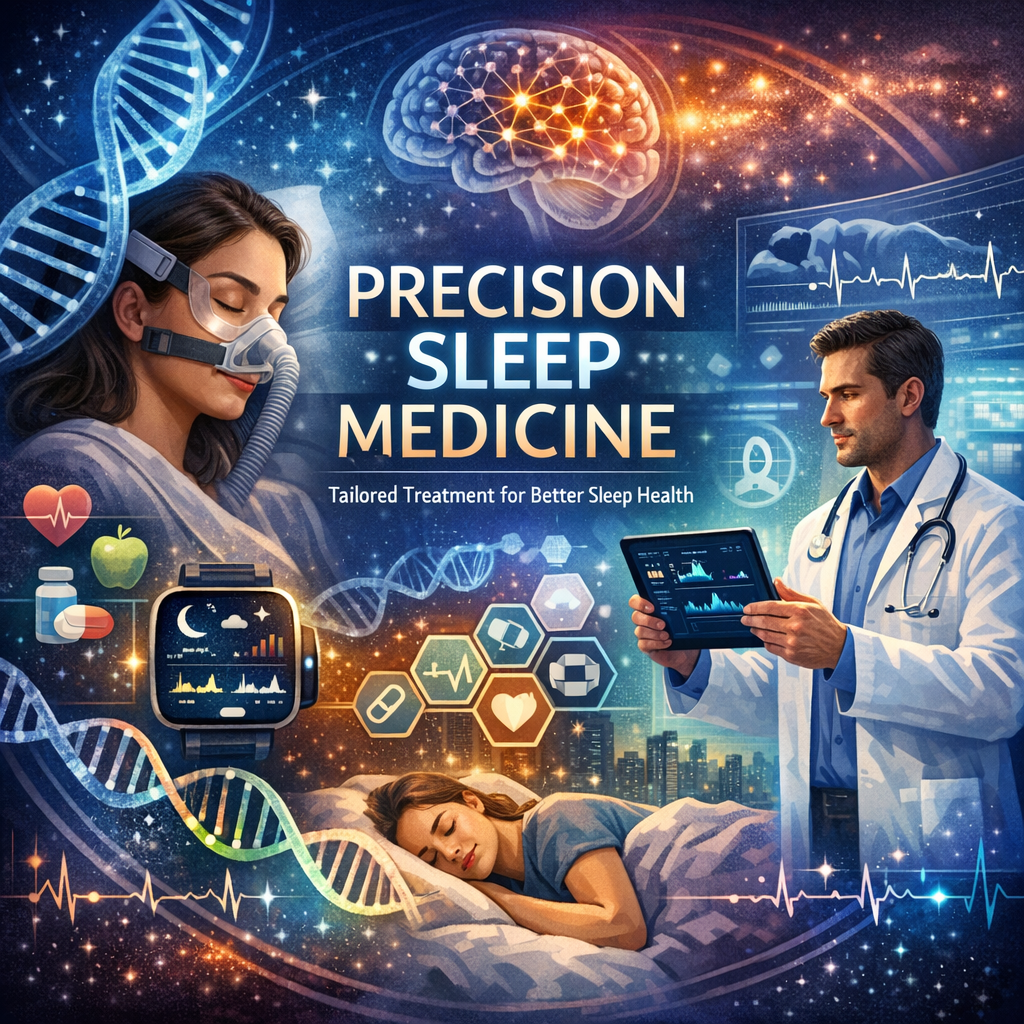
Precision medicine is at the forefront of medical innovation, leveraging genetic, environmental, and lifestyle factors to tailor healthcare for individuals. This **personalized approach** is proving transformative in the diagnosis and treatment of sleep disorders. With advancements in **genomics**, **big data**, and wearable technology, precision medicine provides a comprehensive understanding of the unique factors contributing to sleep disturbances. It aims to identify root causes more accurately and design treatment plans that yield higher success rates.
Precision medicine focuses not just on treating symptoms but on preventing them. In **sleep medicine**, this means preemptively identifying individuals at risk of developing sleep disorders and implementing targeted interventions long before symptoms manifest. The potential is immense, promising better nights of rest and improved overall health outcomes. For instance, understanding how an individual’s genetic makeup influences their response to different sleep medications can lead to **personalized treatments** that enhance efficacy while minimizing side effects. This shift in paradigm could significantly reduce the trial-and-error typical in current therapeutic approaches.
Moreover, precision medicine highlights the interconnected nature of sleep and overall health. Poor sleep is linked to myriad health issues, from **cardiovascular diseases** to **mental health disorders**. By addressing sleep disorders with precision medicine, we enhance sleep quality and tackle a critical component of holistic health, potentially reducing the risk of these associated conditions. The integration of precision medicine in sleep health showcases the evolving understanding of our interconnected physiological systems, emphasizing sleep as a pillar of overall health.
Features
In recent years, various professional and medical studies have underscored the potential of precision medicine in sleep healthcare. One such effort is by the **National Institutes of Health (NIH)** in the United States. Their **Precision Medicine Initiative**, now known as the **All of Us Research Program**, aims to gather data from over a million individuals to understand the health effects of sleep and insomnia. This large-scale data collection lets researchers assess how genetic variations affect sleep and responses to different treatments. You can [learn more about NIH’s initiative here](https://allofus.nih.gov/).
In another landmark study, researchers from the **Center for Sleep & Circadian Neurobiology** at the **University of Pennsylvania** explored the intricate relationship between genetics and **sleep duration**. Findings revealed correlations between genetic markers and sleep-related traits, highlighting differences in sleep needs and treatment responses across various populations. Such insights support the precision medicine approach, emphasizing the importance of considering an individual’s genetic composition in sleep disorder diagnosis and treatment. [Read more about the study here](https://www.pennmedicine.org/news/news-releases).
Additionally, ongoing studies investigate socio-environmental factors impacting sleep. The **University of Pittsburgh’s Sleep and Chronobiology Center** has developed models showing how lifestyle and environmental factors, combined with genetic data, influence sleep patterns. Such interdisciplinary research enriches our understanding, validating the precision medicine model’s holistic perspective.
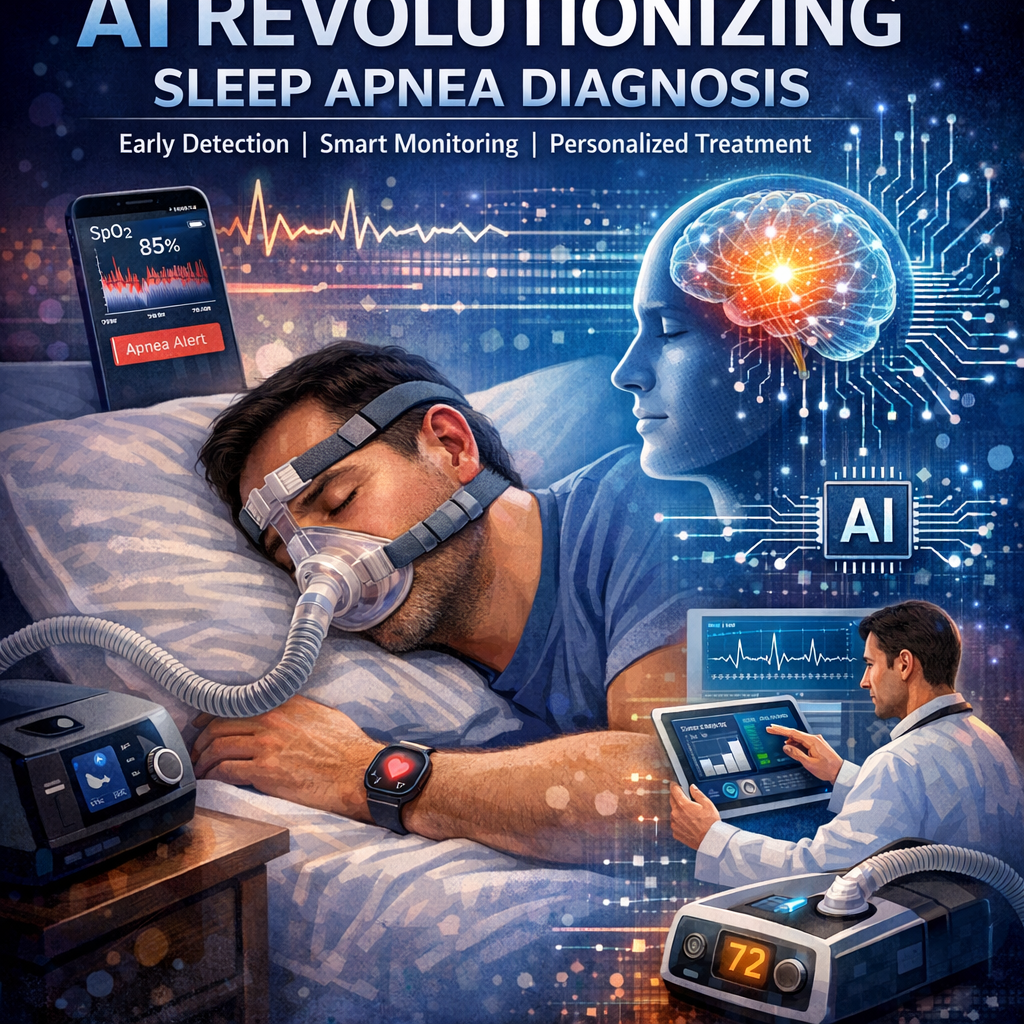
**Wearable technology** also holds promise in this field, with devices continuously monitoring sleep patterns, heart rates, and even blood oxygen levels. These tools provide real-time data, offering unprecedented insight into an individual’s sleep health and allowing for timely, informed interventions. A study published in the **Journal of Clinical Sleep Medicine** demonstrated how data from wearable devices could be integrated with AI algorithms to customize sleep interventions, reflecting tangible applications of precision medicine. [Access the study and its findings here](https://jcsm.aasm.org/).
Conclusion
The integration of precision medicine into sleep health represents a shift from generalized approaches to tailored, effective strategies. By leveraging genetic information, environmental influences, and lifestyle factors, this approach promises to revolutionize both the diagnosis and treatment of sleep disorders. As we harness technological advancements and deepen our biological understanding, the possibilities seem boundless. The potential to move beyond symptomatic relief to transformative care is within reach, marking a significant leap forward in ensuring healthier sleep for all.
The promise of precision medicine extends beyond sleep itself; it heralds a future where health is approached with heightened awareness and sensitivity to individual differences. This holistic perspective enhances life quality and ensures a proactive approach to preventing associated health conditions. As more research unfolds and technologies evolve, we stand on the brink of a new era in sleep medicine—one that holds the promise of sound sleep and vibrant health for generations to come.
**Concise Summary:**
Precision medicine is transforming sleep disorder diagnosis and treatment by tailoring healthcare through genetic, environmental, and lifestyle factors. Unlike traditional methods, this approach focuses on preemptive care by identifying individuals at risk and implementing targeted interventions. Ongoing research by institutions like NIH and the University of Pennsylvania highlights precision medicine’s potential. Furthermore, wearable technology offers real-time data for customized interventions. Overall, the paradigm shift to precision sleep medicine promises improved health outcomes and reduced risks of associated conditions like cardiovascular and mental health disorders.

Dominic E. is a passionate filmmaker navigating the exciting intersection of art and science. By day, he delves into the complexities of the human body as a full-time medical writer, meticulously translating intricate medical concepts into accessible and engaging narratives. By night, he explores the boundless realm of cinematic storytelling, crafting narratives that evoke emotion and challenge perspectives.
Film Student and Full-time Medical Writer for ContentVendor.com