Harnessing AI for Sleep: How Machine Learning is Revolutionizing Sleep Apnea Diagnosis
Introduction
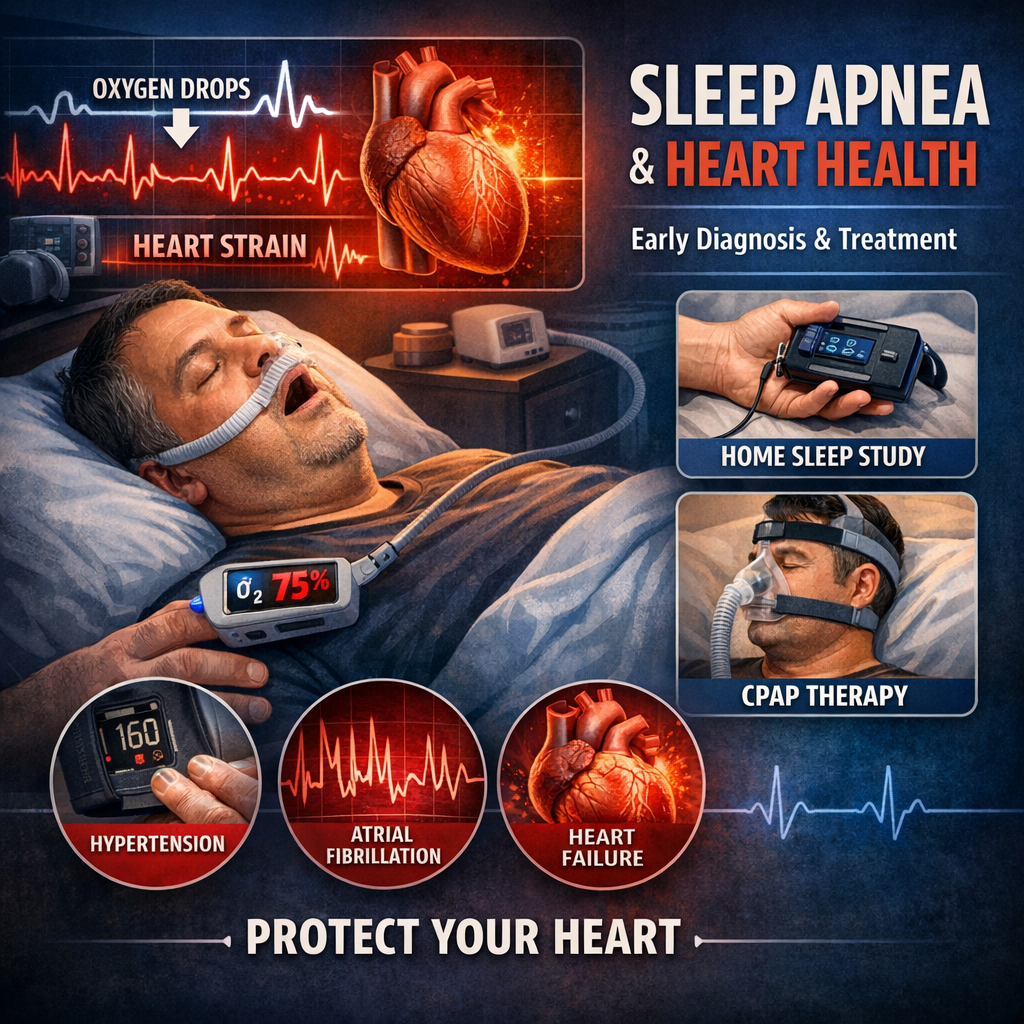
Sleep is a vital pillar of health, yet **sleep disorders** can significantly impair one’s quality of life. Among these, **sleep apnea** is particularly prevalent and severe, affecting millions globally. This condition is marked by repeated interruptions in breathing during sleep, leading to fragmented sleep, daytime fatigue, and various health problems, including cardiovascular issues. Traditionally, sleep apnea is diagnosed through **polysomnography**, a comprehensive and often costly process requiring an overnight stay at a sleep clinic, posing challenges for widespread accessibility and timely identification.
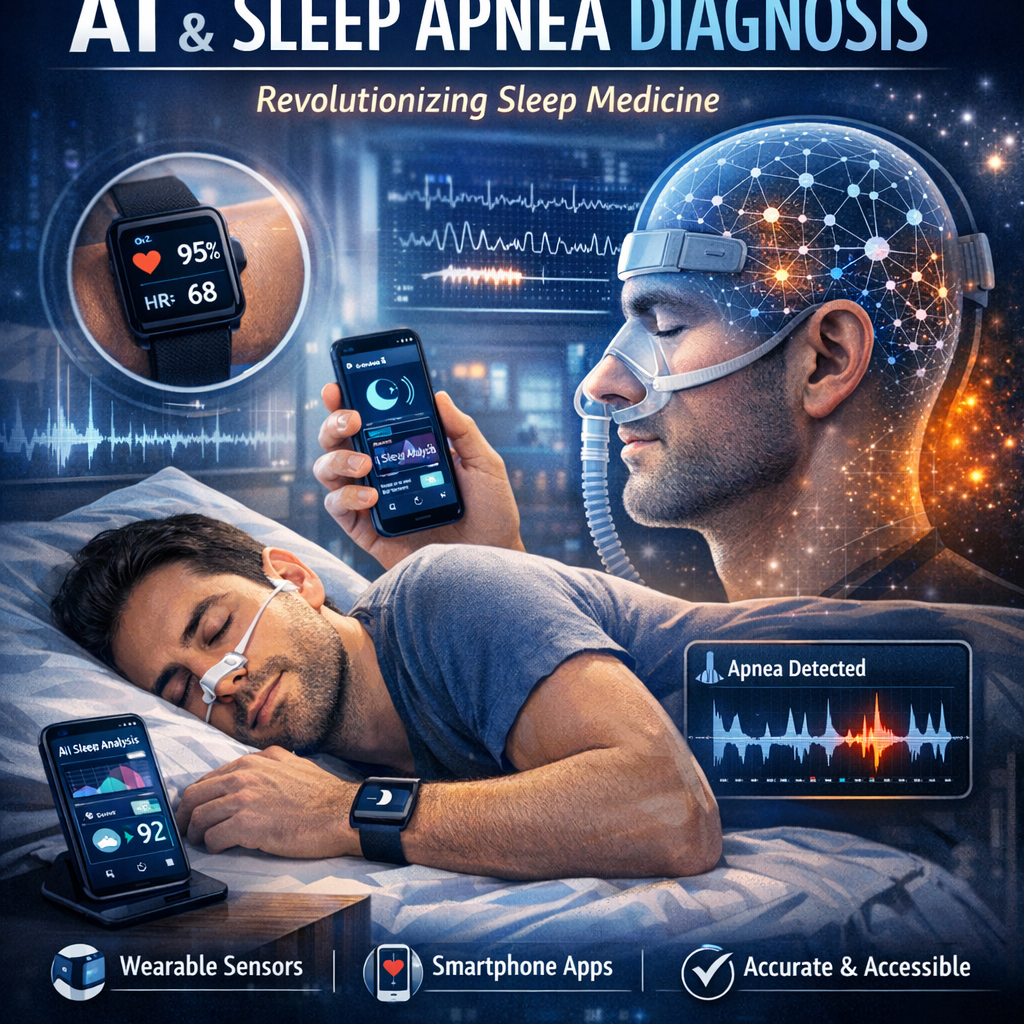
Enter **artificial intelligence (AI)** and **machine learning (ML)**, technologies transforming various domains, including healthcare. ML algorithms can analyze vast amounts of data accurately and rapidly. Their application to sleep apnea diagnosis aims to democratize and enhance the diagnostic process. Utilizing **wearable technologies** and **smartphone applications**, AI can monitor users’ sleep patterns, detect anomalies, and predict potential sleep disorders—all from the comfort of home.
The integration of AI into sleep medicine is not just a futuristic concept; it is a burgeoning field promoting greater precision and early intervention. Unlike traditional methods, AI-based solutions offer continuous and nuanced insights into a patient’s sleep cycle without needing physical attendance or infrastructure. This technological shift holds the promise of more inclusive and effective healthcare by removing geographical barriers and reducing costs. Furthermore, AI’s continuous advancement ensures its algorithms grow more accurate in detecting sleep abnormalities.
However, the promise of AI in sleep apnea diagnosis does not come without challenges. There are issues around data privacy, algorithm transparency, and ethical considerations that must be carefully navigated. Balancing technology’s capabilities with these concerns is essential to ensure AI’s role in healthcare is both transformative and responsible.
Features
Medical studies show that **AI technology** could revolutionize the diagnosis and management of sleep apnea. Recent research has focused on developing **ML algorithms** to analyze sleep data and improve diagnostic accuracy.
One study published in *Nature and Science of Sleep* explored AI’s use in diagnosing sleep apnea via heart rate and oximetry data collected from **wearable devices**. This study utilized a **convolutional neural network (CNN)** model to assess data patterns indicating apnea events. Results demonstrated a high level of accuracy, with AI models sometimes matching or exceeding the diagnostic precision of traditional polysomnography. Such findings hold immense potential for enhancing accessibility, particularly in underserved or rural areas where sleep clinics are scarce. [Read more](https://www.ncbi.nlm.nih.gov/pmc/articles/PMC8196942/)
Another significant project at the University of California, San Francisco, used machine learning algorithms to examine breathing patterns from smartphone audio recordings during sleep. Their study revealed personalized ML models could achieve diagnostic accuracy equivalent to polysomnography, showcasing promising accessibility using **commonly available technology**. This innovative approach minimizes patient discomfort associated with traditional diagnostics and suggests a viable path for personalized home-based monitoring. [More info](https://pubmed.ncbi.nlm.nih.gov/32216668/)
Additionally, a review in *Sleep Medicine Reviews* highlighted how AI and ML can streamline patient care by predicting individual treatment responses to **Continuous Positive Airway Pressure (CPAP) therapy**—the most common treatment for **obstructive sleep apnea**. Tailoring therapies to patient needs improves outcomes and boosts adherence to treatment plans. [Source](https://www.sciencedirect.com/science/article/abs/pii/S1087079219300919)
Conclusion
The inclusion of AI and ML in sleep medicine, especially for diagnosing sleep apnea, represents a healthcare breakthrough combining advanced technology with patient-centered solutions. AI makes the process less invasive and more efficient, leading to earlier detection and treatment of sleep apnea, ultimately improving patient outcomes and quality of life.
As we advance into this technologically enhanced future, maintaining ethical standards, protecting **patient data**, and ensuring algorithm transparency and fairness is crucial. AI should augment human healthcare providers rather than replace them, working in harmony to offer the best care possible. As technology progresses, the potential increases to improve healthcare accessibility and patient care, paving the way for a healthier world where better sleep is within reach for all.
By leveraging AI’s capabilities, the healthcare industry can provide necessary interventions for those suffering from sleep disorders like sleep apnea, fostering a future where health is proactively managed and enhanced through technological innovation.
**Concise Summary:** Sleep apnea is a widespread sleep disorder traditionally diagnosed through exhaustive procedures like polysomnography. However, **AI and machine learning** offer a revolutionary approach, utilizing wearable technologies and smartphone applications to monitor and diagnose sleep disorders from home. Studies show that AI can match or exceed traditional diagnostic accuracy, offering more accessible and cost-effective solutions. Despite challenges in data privacy and ethics, AI’s growing role in healthcare promises transformative benefits, facilitating early detection, improved treatment, and personalized care, ultimately boosting patient outcomes and quality of life.

Dominic E. is a passionate filmmaker navigating the exciting intersection of art and science. By day, he delves into the complexities of the human body as a full-time medical writer, meticulously translating intricate medical concepts into accessible and engaging narratives. By night, he explores the boundless realm of cinematic storytelling, crafting narratives that evoke emotion and challenge perspectives.
Film Student and Full-time Medical Writer for ContentVendor.com