**
Revolutionizing Sleep Medicine: AI-Driven Predictive Models for Early Detection of Airway Disorders
**
**
Introduction
**
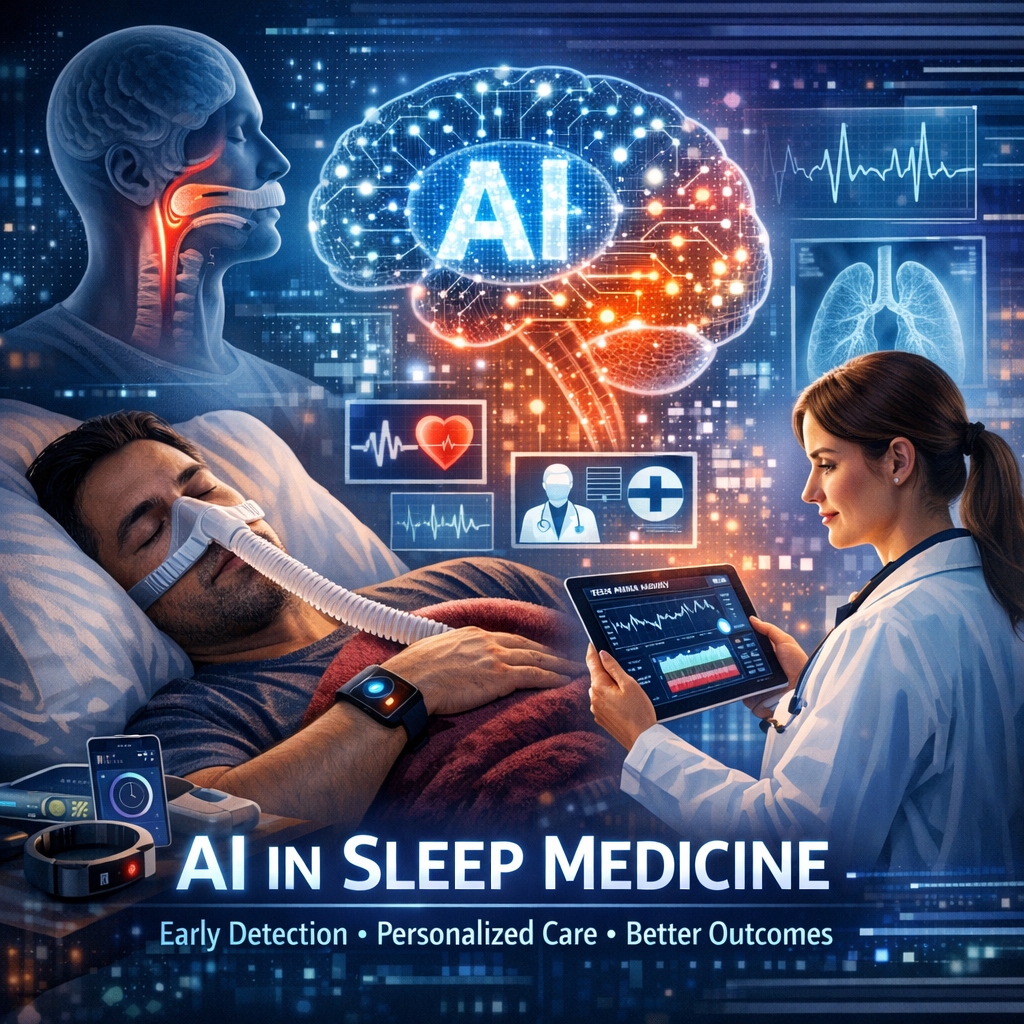
**Sleep** is a critical pillar of overall health, as essential as **diet and exercise**. Yet, disorders such as **sleep apnea** and other **airway-related issues** can severely disrupt sleep quality and, consequently, one’s well-being and quality of life. Despite advancements in diagnosis and treatment, many individuals remain undiagnosed until symptoms significantly affect their daily lives. However, the intersection of **artificial intelligence (AI)** and sleep medicine presents a promising frontier. **AI-driven predictive models** are revolutionizing how medical professionals detect and manage airway disorders, enhancing early diagnosis and personalized treatment pathways.
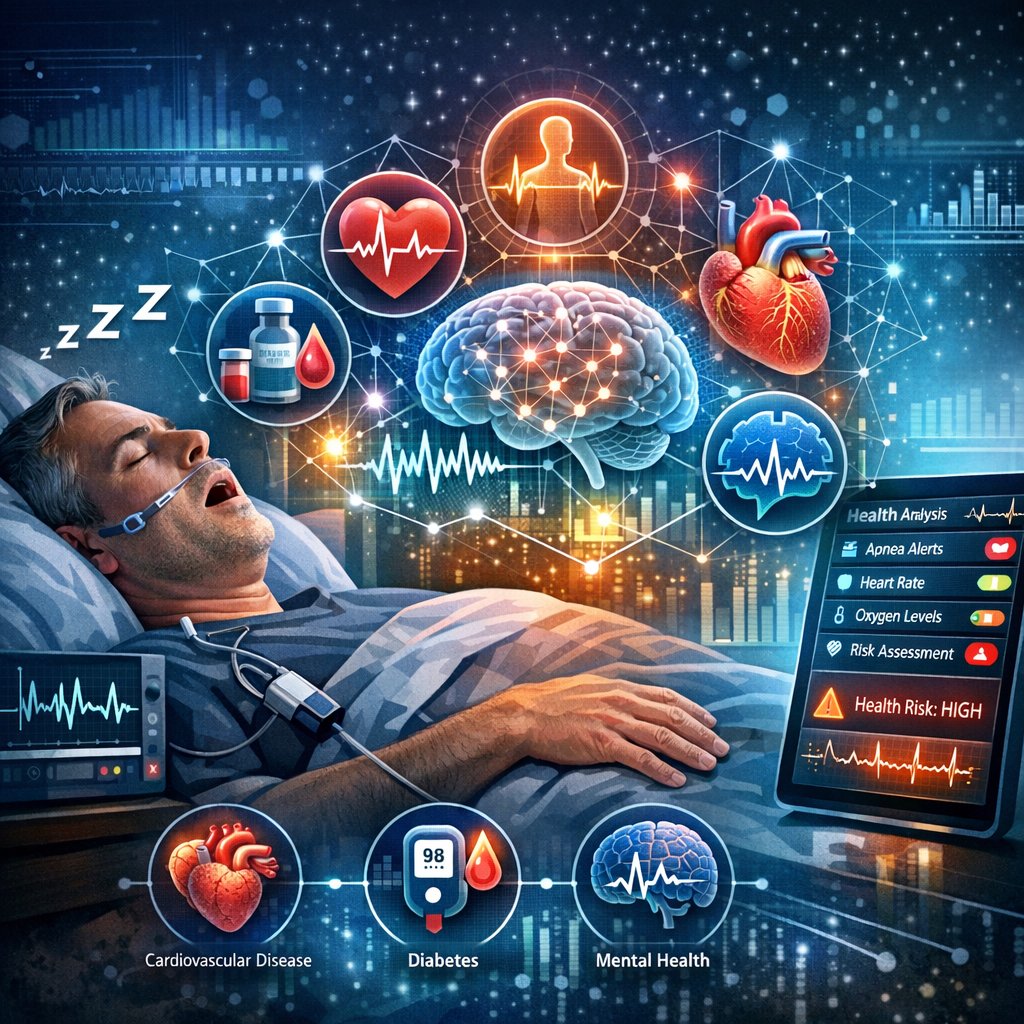
**Airway disorders during sleep**, like **obstructive sleep apnea (OSA)**, occur when the muscles of the throat relax excessively, interrupting breathing. This disruption not only leads to poor sleep quality but also increases the risk of **cardiovascular diseases**, **type 2 diabetes**, and **depression**. Unfortunately, widespread underdiagnosis persists due to the invasive nature of traditional diagnostic tools, like **polysomnography**, and the lack of awareness about these conditions.
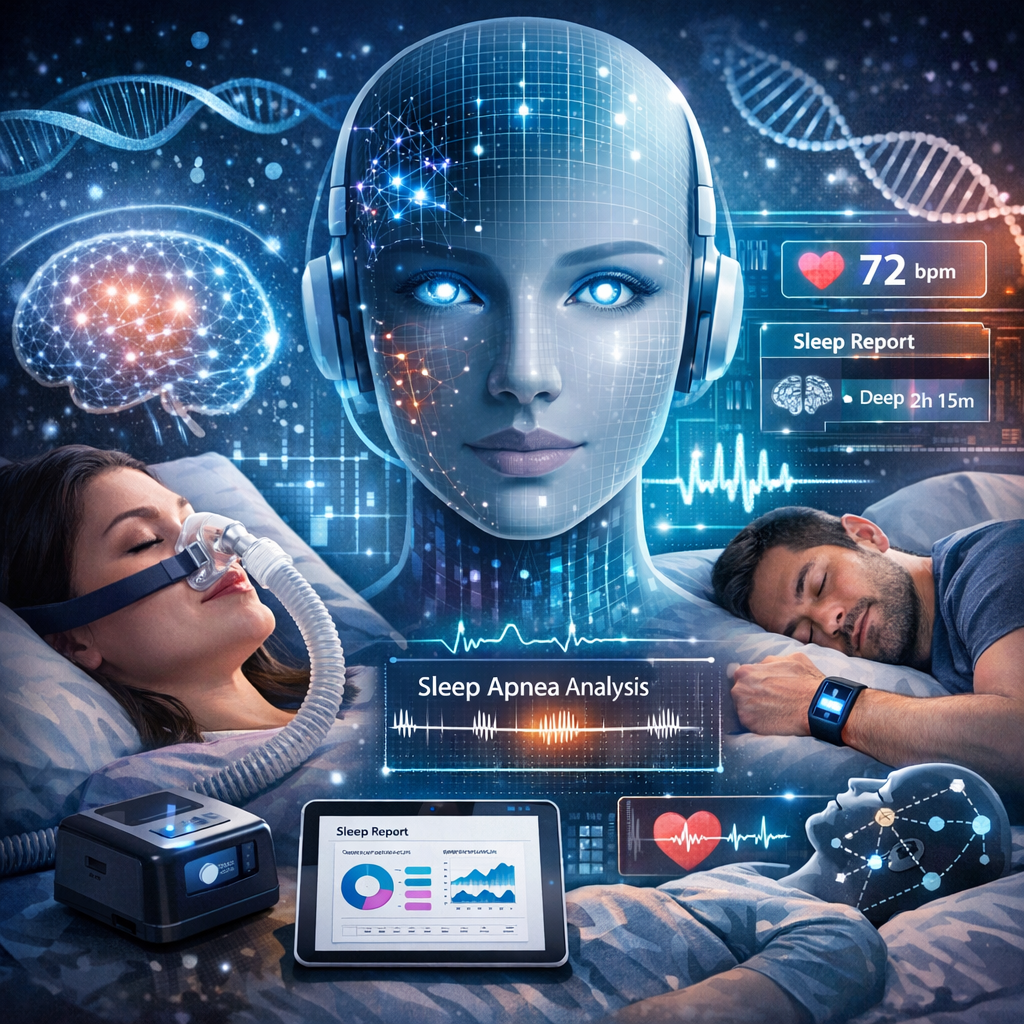
Enter **AI**: sophisticated algorithms capable of parsing massive datasets to identify patterns and predict potential health conditions. These models can analyze various data sources, from **electronic health records (EHRs)** to **wearable devices**, offering a non-invasive, comprehensive analysis that facilitates early detection of **airway disorders**. Using AI, sleep medicine can predict an individual’s risk for such disorders with remarkable accuracy, potentially alerting patients and healthcare providers before symptoms become severe.
Several factors underpin the **effectiveness of AI** in this realm, including its ability to continually learn and improve its predictive power. As more data becomes available, these models refine their analyses, enhancing their accuracy and reliability over time. Moreover, AI democratizes access to advanced diagnostic tools, as the technology becomes integrated into readily available consumer devices, empowering users to take charge of their **sleep health**.
**
Features
**
Recent studies underscore the transformative potential of **AI in sleep medicine**. A landmark study published in “**Nature and Science of Sleep**” highlighted an AI model that outperformed traditional diagnostic criteria for **sleep apnea**. By analyzing data from wearable devices, researchers achieved a sensitivity of over 90%, proving that AI could effectively identify patients at high risk of OSA in non-clinical settings. This breakthrough underscores how AI can circumvent the barriers of traditional diagnostics, like cost and access, particularly in underserved communities.
Further research published in the “**Journal of Clinical Sleep Medicine**” demonstrated the efficacy of AI in tailoring treatment plans. By interpreting vast sets of biometric data, AI models recommend personalized interventions that optimize therapeutic outcomes. These findings highlight the power of AI to move beyond mere identification of disorders to actively enhancing treatment protocols.
Moreover, an AI-driven study by the “**American Journal of Respiratory and Critical Care Medicine**” used **machine learning algorithms** to predict the onset of **sleep-disordered breathing** in patients with comorbid conditions like **obesity** and **hypertension**. By integrating **EHR data**, these predictive models offer healthcare providers deeper insights into patient risk profiles, thus enabling proactive management strategies that preempt airway disturbances before they exacerbate.
Additionally, the advent of **AI-based mobile applications** has made **sleep monitoring** more accessible than ever. Apps using **machine learning algorithms** can track sleep patterns in real-time, offering users feedback on sleep quality and potential disturbances. This real-time analysis empowers individuals to adjust their habits and environments to mitigate risks, democratizing **sleep health management**.
**
Conclusion
**
The integration of **AI into sleep medicine** signifies a revolutionary shift from reactive to proactive healthcare. By harnessing AI’s predictive capabilities, medical professionals can detect **airway disorders** early, before they significantly impact an individual’s health. This not only enhances patient outcomes but also reduces the burden on healthcare systems by minimizing the need for costly and invasive procedures. As AI technology continues to evolve, its applications in sleep medicine will undoubtedly expand, offering even more innovative solutions for managing **sleep health**.
Moreover, the personalization enabled by **AI-driven models** facilitates a more tailored approach to treatment, ensuring that interventions align closely with individual patient needs. While the technology is not without challenges, including **data privacy concerns** and the need for robust validation across diverse populations, the potential benefits are vast. As we continue to explore AI’s role in revolutionizing **sleep medicine**, it remains an exciting time for both healthcare providers and patients, paving the way for healthier, more restorative sleep for all.
**References**
1. [Nature and Science of Sleep – Predictive Models for Sleep Apnea](https://www.dovepress.com/articles.php?article_id=38119)
2. [Journal of Clinical Sleep Medicine – AI in Personalized Treatment Plans](https://jcsm.aasm.org/doi/10.5664/jcsm.8358)
3. [American Journal of Respiratory and Critical Care Medicine – Machine Learning for Sleep Disorders](https://www.atsjournals.org/doi/full/10.1164/rccm.201903-0368OC)
4. [AI-Based Mobile Applications for Sleep Monitoring](https://www.ncbi.nlm.nih.gov/pmc/articles/PMC7596451/)
**Concise Summary**
The integration of **AI in sleep medicine** is transforming the detection and management of **airway disorders**. By leveraging AI’s capabilities to analyze data from **wearables** and **EHRs**, early detection of conditions like **sleep apnea** becomes more accessible, reducing reliance on traditional invasive diagnostics. Studies demonstrate AI’s potential in not only diagnosing but also personalizing treatment, optimizing patient outcomes. Mobile apps further democratize sleep health by providing real-time analysis and feedback. While challenges such as data privacy remain, the potential for improving **sleep health** through AI is vast, heralding a proactive healthcare evolution.

Dominic E. is a passionate filmmaker navigating the exciting intersection of art and science. By day, he delves into the complexities of the human body as a full-time medical writer, meticulously translating intricate medical concepts into accessible and engaging narratives. By night, he explores the boundless realm of cinematic storytelling, crafting narratives that evoke emotion and challenge perspectives.
Film Student and Full-time Medical Writer for ContentVendor.com