How AI-Powered Respiratory Sleep Diagnostics Are Saving Businesses Millions in Health Costs
Introduction
In today’s fast-paced, digitally-driven world, achieving optimal **employee health** is pivotal for not just the **individual** but also the **organizations** that rely heavily on a **productive workforce**. **Sleep health**, an often overlooked dimension of overall **wellness**, plays a crucial role in ensuring employees are not only present but are also efficient and innovative in their roles. A rise in awareness about **sleep disorders**, such as **obstructive sleep apnea**, has necessitated an evolution in how businesses approach this aspect of health. This is where **AI-powered respiratory sleep diagnostics** come into play, offering groundbreaking technology that is revolutionizing the industry.
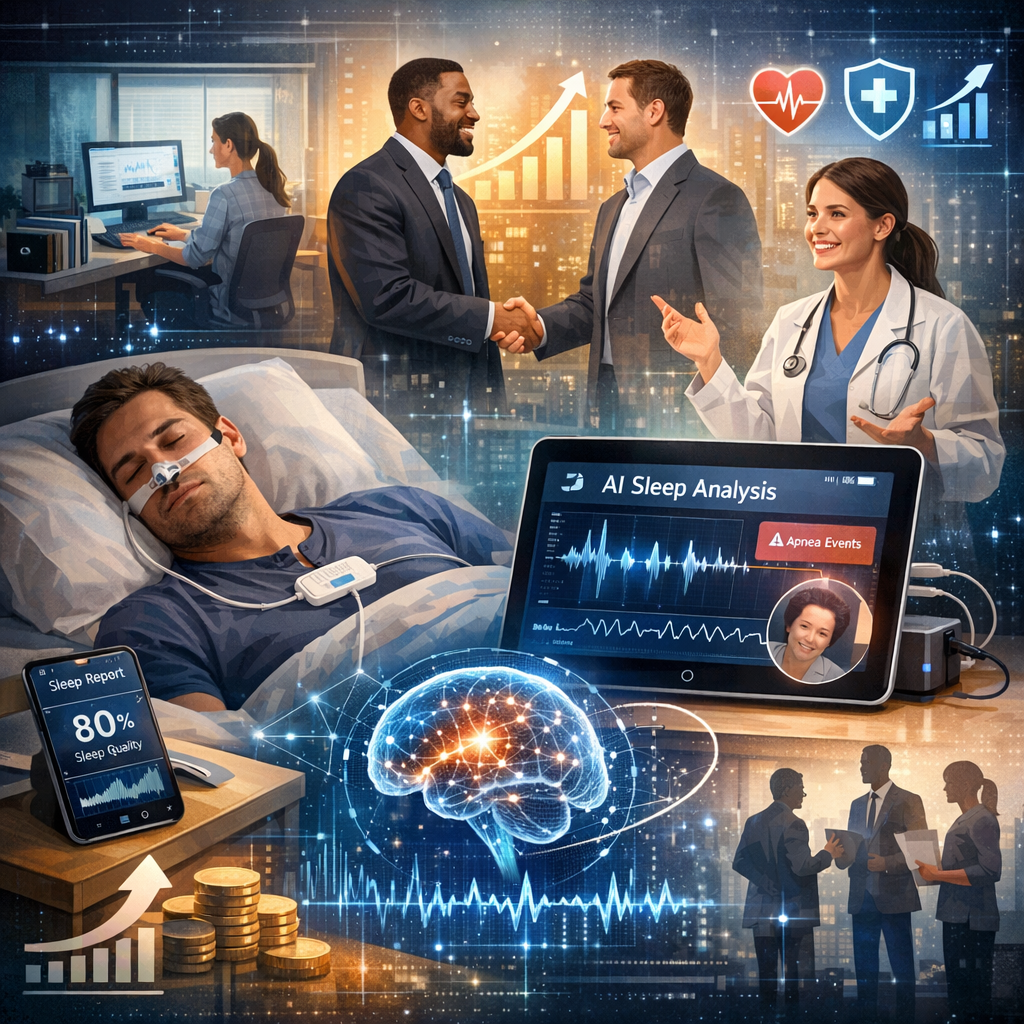
This innovative approach leverages **artificial intelligence** to provide a more accurate, comprehensive, and accessible means of diagnosing and addressing sleep disorders. For businesses, this technology not only presents a means to enhance employee well-being but also significantly cuts down **health-related costs**. According to the [Centers for Disease Control and Prevention](https://www.cdc.gov/sleep/index.html), sleep disorders, if left untreated, can lead to serious conditions like **heart disease**, **obesity**, and **depression**. The cost implications of such health problems are monumental. In the U.S alone, it’s estimated that untreated sleep apnea can cost the economy over **$150 billion** annually in both **workplace productivity** deterioration and healthcare costs.
**AI-powered diagnostics** offer an **economically viable solution** to these challenges. The intelligent algorithms utilized in these technologies can quickly analyze vast arrays of data from sleep studies, providing highly accurate diagnostics without the need for expensive, highly specialized manual reviewers. Furthermore, these systems integrate seamlessly with **employee health initiatives** within organizations, allowing for early intervention and ongoing management which can vastly reduce the likelihood of sleep disorder-induced issues. Companies investing in these innovations report not only financial savings but also see improvements in employee morale and productivity.
Features
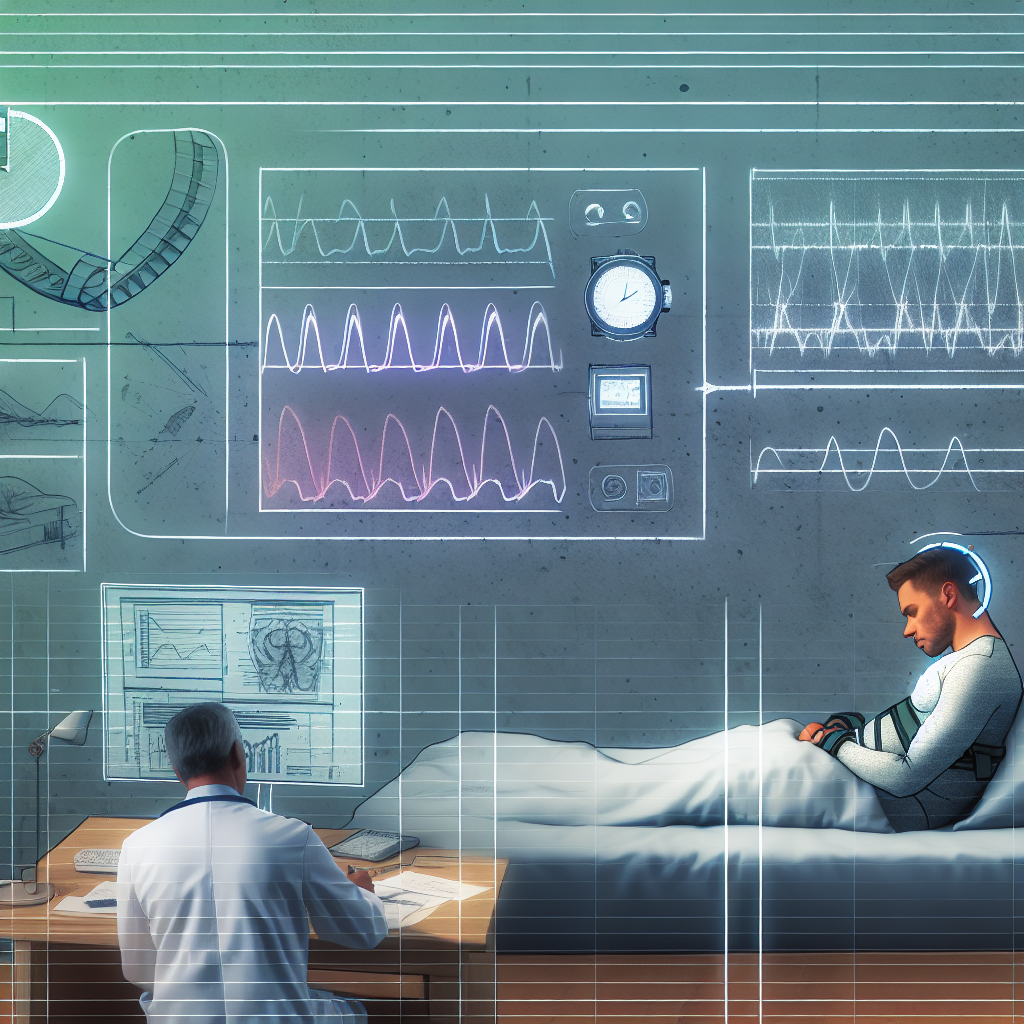
Several professional and medical studies underscore the efficacy of **AI-powered respiratory sleep diagnostics**. A 2020 study published in the [Journal of Clinical Sleep Medicine](https://jcsm.aasm.org) explored the role of **machine learning** in sleep studies and found it to be overwhelmingly more efficient than traditional methods. The study highlighted that **AI algorithms** could predict sleep apnea events with a high degree of accuracy, reducing diagnostic errors and leading to better-targeted treatment pathways. Furthermore, AI diagnostics can analyze complex data sets in real-time, allowing for accelerated interventions that can preclude the escalation of health issues.
Another critical study, conducted by researchers at [Stanford University](https://www.stanford.edu), focused on how AI can improve the **accessibility and scalability** of sleep diagnostics. Historically, sleep studies required overnight stays at specialized clinics, which limited the number of individuals who could be diagnosed and treated concurrently. The Stanford study found that leveraging **AI-enabled tools** can facilitate **home-based sleep studies**, making them accessible to a larger population at a lower cost. This democratization of sleep health services reduces health inequalities and brings substantial long-term cost savings to employers who can now deploy pre-emptive health strategies within their organizations.
Additionally, businesses are increasingly incorporating AI diagnostics into their **workplace wellness programs**, integrating wearable technology and personalized health interventions. A 2021 report from [Deloitte Insights](https://www.deloitte.com) emphasizes how companies investing in AI health tools experience significantly lower absenteeism and health-related overheads—citing a 34% reduction in overall health costs amongst companies using AI sleep diagnostics. This not only reflects direct healthcare savings but also extends to improved workplace safety and reduced insurance claims, as better-rested employees are less likely to engage in accidents or require medical leaves of absence.
Conclusion
**AI-powered respiratory sleep diagnostics** herald a new era in **employee health management**, offering tangible benefits that extend to financial, social, and ethical domains. While the initial investment in these technologies might seem significant, the swift return on investment observed through reduced healthcare expenses, enhanced employee productivity, and proactive health monitoring is unprecedented. For businesses, this technology signifies a shift towards an employee-centric approach—where health is prioritized, leading to a more vibrant, efficient, and innovative workforce. Embracing these advanced diagnostics is not just an investment in technology, but an investment in the future of workplace health and productivity.
Concise Summary
AI-powered respiratory sleep diagnostics offer businesses a revolutionary approach to enhancing employee health and reducing costs. Leveraging intelligent algorithms, these technologies enable accurate, accessible sleep disorder diagnostics, leading to improved workforce productivity and decreased healthcare expenses. Studies show that AI tools facilitate home-based, cost-effective sleep assessments, democratizing health services and allowing preemptive workplace health strategies. The significant initial investment in these technologies is offset by savings in health-related overheads, reduced absenteeism, and improved workplace safety, underscoring their value as a strategic asset in modern employee health management.

Dominic E. is a passionate filmmaker navigating the exciting intersection of art and science. By day, he delves into the complexities of the human body as a full-time medical writer, meticulously translating intricate medical concepts into accessible and engaging narratives. By night, he explores the boundless realm of cinematic storytelling, crafting narratives that evoke emotion and challenge perspectives.
Film Student and Full-time Medical Writer for ContentVendor.com