Unlocking the Sleep Code: How AI is Reshaping Sleep Apnea Diagnosis and Treatment
Introduction
**Sleep apnea** is a prevalent and potentially severe **sleep disorder** affecting millions globally, characterized by repeated interruptions in breathing during sleep. These disturbances lead to **fragmented sleep**, resulting in daytime fatigue, cardiovascular issues, and diminished quality of life. Traditional diagnosis involves a night at a sleep clinic for a polysomnography (PSG) test, which records eye movements, oxygen levels, heart rate, and breathing patterns, often with multiple sensors, creating an uncomfortable experience.
However, the **rise of artificial intelligence (AI)** is transforming the diagnosis and treatment of sleep apnea. AI is streamlining detection outside clinical settings and enhancing the precision and personalization of treatments. AI’s integration in healthcare represents a paradigm shift, especially crucial for disorders like sleep apnea that might be underdiagnosed or misdiagnosed.
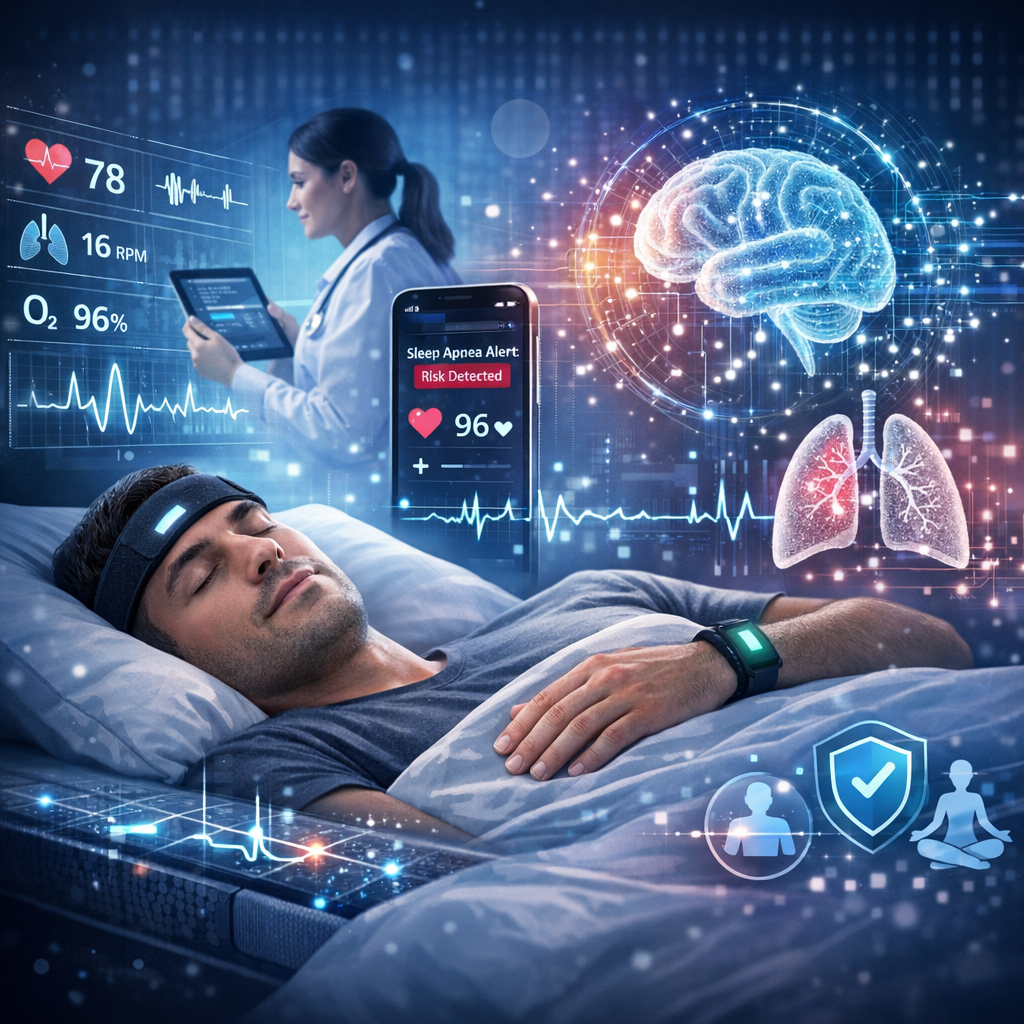
The crux of AI’s role in sleep health is its ability to process vast data rapidly, identify patterns, and provide insights that could elude human analysis. **Wearable devices** with AI algorithms monitor sleep patterns at home, offering a less intrusive alternative to traditional sleep studies. These devices track data like heart rate variability, oxygen saturation, and body movements, analyzing it in real-time to detect anomalies indicative of sleep apnea.
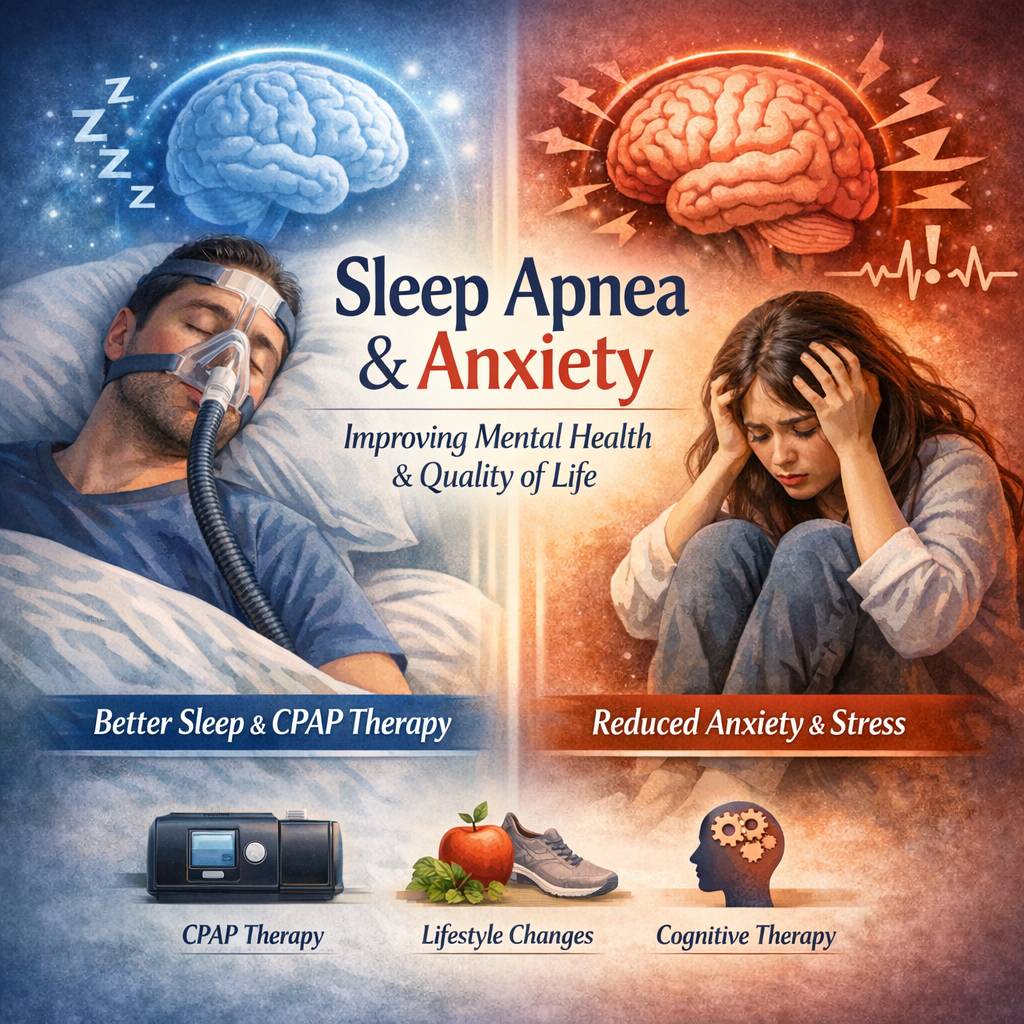
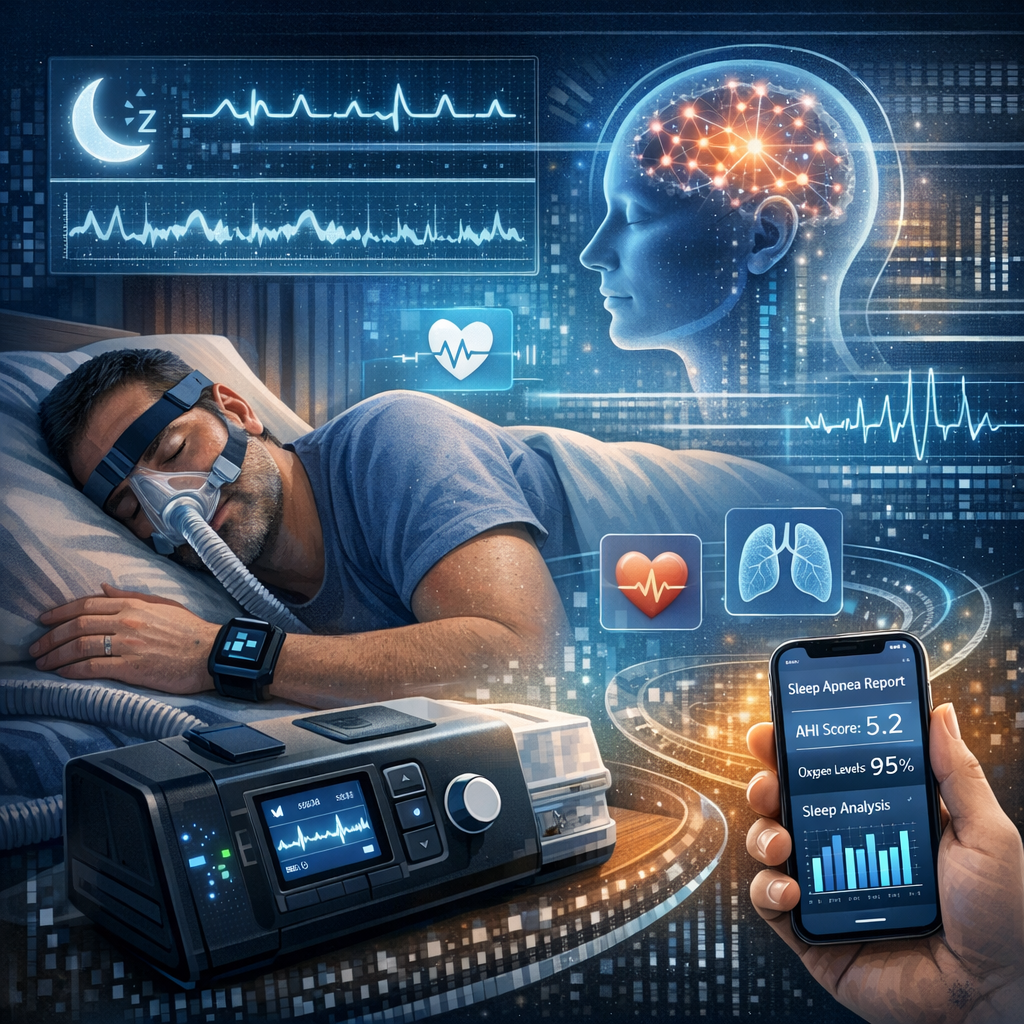
Beyond diagnosis, AI personalizes therapeutic interventions. For instance, **continuous positive airway pressure (CPAP)** therapy, often used for obstructive sleep apnea, now benefits from algorithms that dynamically adjust air pressure based on user needs. This optimization increases compliance and effectiveness, enhancing the treatment’s user-friendliness and potentially improving patient outcomes.
Features
Recent **advancements in AI** have been pivotal in studies focusing on more efficient diagnosing and treating of sleep apnea. A study by the University of Copenhagen demonstrated that an AI algorithm diagnosed **sleep apnea** with high accuracy, comparable to traditional PSG tests. The AI system analyzed audio recordings of patients’ breathing patterns during sleep at home, moving diagnostics away from clinical settings. [Source](https://www.sciencedirect.com/science/article/pii/S1389945720301111)
Another significant study in *Nature* showcased AI’s efficacy in tailoring treatments. Researchers developed a **machine learning model** to predict optimal CPAP settings by analyzing patient data over time. Patients receiving AI-optimized treatment showed better adherence and a notable reduction in apnea episodes. [Source](https://www.nature.com/articles/s41551-019-0495-1)
AI’s integration into wearable technology is also notable. Devices like **smartwatches and fitness trackers** with AI perform continuous monitoring of vital signs during sleep. The University of California has been pioneering developments in this area, with sensors paired with AI algorithms for accurate real-time sleep apnea detection, providing a more accessible and cost-effective method of managing sleep health. [Source](https://ieeexplore.ieee.org/document/9012055)
Research by the **American Sleep Apnea Association** emphasizes AI’s potential for early detection and prevention. By analyzing trends in large datasets from diverse populations, AI identifies individuals at risk and suggests preventive measures before severe symptoms arise. This proactive approach could reduce the long-term health impacts of untreated sleep apnea. [Source](https://www.sleepapnea.org/)
Conclusion
AI’s application in sleep apnea diagnosis and treatment exemplifies technology’s boundless potential to revolutionize healthcare. By shifting from sleep labs to home comforts, AI enhances diagnosis accessibility and personalizes, optimizes treatment regimes, improving patient outcomes. As AI evolves, it will refine sleep apnea management precision, enhancing quality of life for many.
Further AI-driven research will deepen healthcare’s predict, prevent, and personalize capabilities, potentially managing and preempting sleep disorders effectively. Embracing technological advancements can ensure universal access to better sleep health, fostering overall well-being and longevity.
[Explore more about the impact of AI on healthcare here](https://www.aamc.org/news-insights/ai-transforming-how-health-care-gets-delivered) and [learn how sleep technologies are evolving](https://www.sleepfoundation.org/sleep-apnea/ai-and-sleep-apnea).
**Concise Summary:**
AI is revolutionizing **sleep apnea diagnosis and treatment** by enhancing detection precision, optimizing therapies, and shifting diagnostics from clinical settings to home environments. Wearable devices with AI algorithms monitor sleep patterns, offering less intrusive options than traditional polysomnography. AI also personalizes therapeutic interventions like CPAP therapy, optimizing air pressure for increased compliance and effectiveness. As AI advances, healthcare can increasingly preempt and manage sleep disorders, paving the way for universal better sleep health and quality of life enhancements.

Dominic E. is a passionate filmmaker navigating the exciting intersection of art and science. By day, he delves into the complexities of the human body as a full-time medical writer, meticulously translating intricate medical concepts into accessible and engaging narratives. By night, he explores the boundless realm of cinematic storytelling, crafting narratives that evoke emotion and challenge perspectives.
Film Student and Full-time Medical Writer for ContentVendor.com