Breaking Down Sleep Apnea: Why Precision Medicine Will Define the Next Era of Treatment
**Introduction**
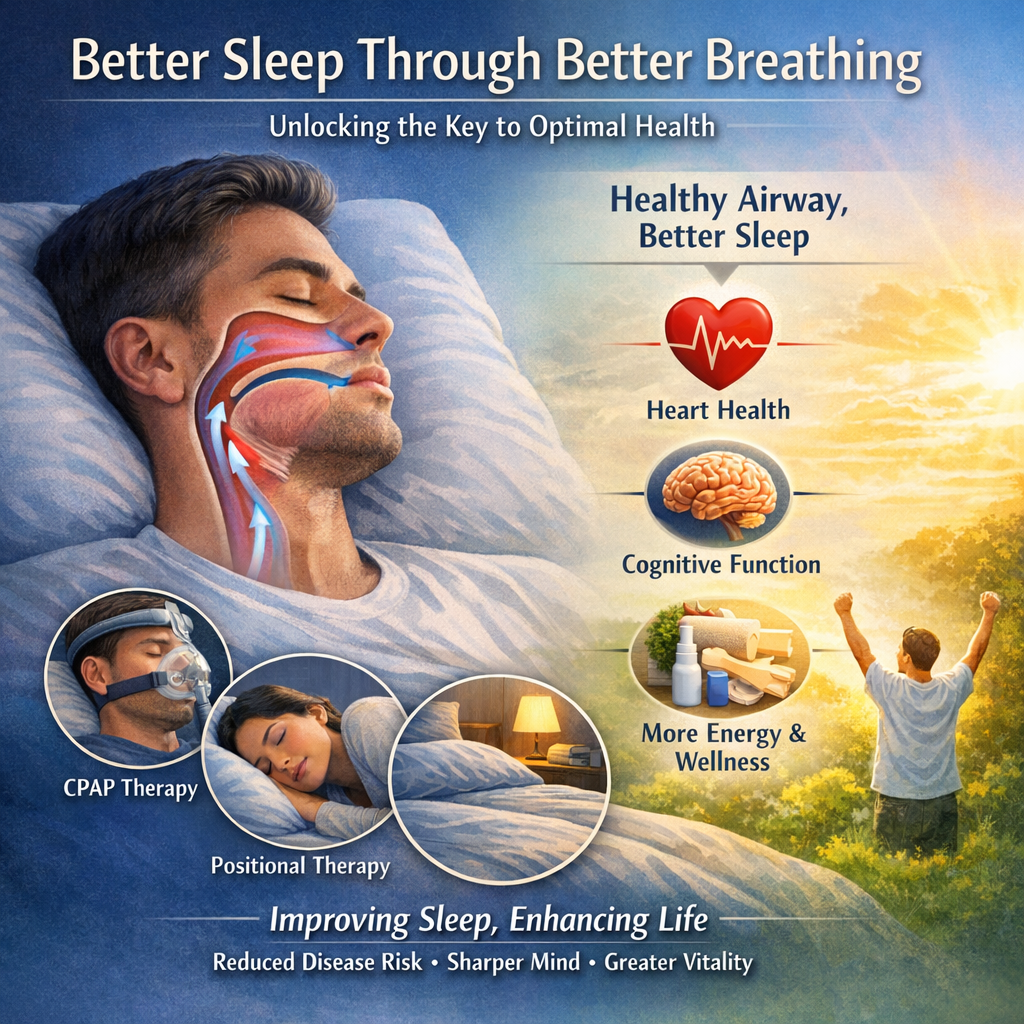
**Sleep apnea** is a prevalent but often overlooked condition affecting millions worldwide. Characterized by repeated interruptions in breathing during sleep, this disorder not only disrupts rest but also poses significant health risks, including **cardiovascular disease**, diabetes, and cognitive impairments. While conventional treatments like **Continuous Positive Airway Pressure (CPAP)** therapy and lifestyle modifications have been the cornerstone of management, they aren’t always effective for everyone. Cue in **precision medicine**—a groundbreaking approach that promises to tailor therapies based on an individual’s genetic, environmental, and lifestyle factors.
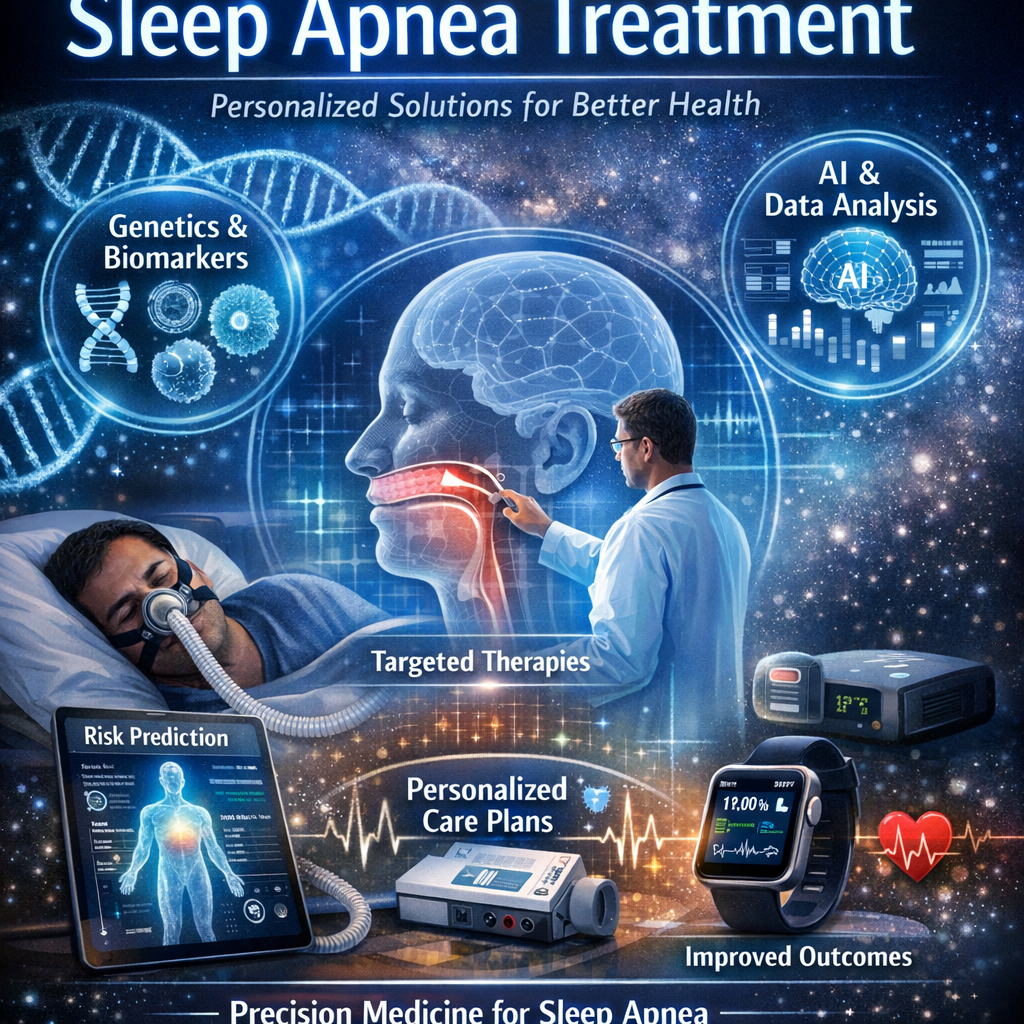
**Precision medicine** has been a buzzword across various fields of healthcare, offering tailored interventions that are far more effective than conventional one-size-fits-all approaches. In the realm of sleep apnea, this innovative strategy can redefine how we diagnose and treat this sleep disorder, making therapies more personalized and, therefore, potentially more successful. Imagine treatments geared to your unique genetic makeup, or technology that predicts the most effective CPAP pressure settings. These are not just distant dreams but the focuses of ongoing research. As scientists dig deeper into the **genetic**, **molecular**, and **environmental** contributors to sleep apnea, they’re unlocking pathways to more precise, targeted treatments.
The importance of understanding sleep apnea through **precision medicine** cannot be overstated. Families with a history of this disorder could benefit enormously from genetic screenings, helping them identify risks early on and take preventive measures. Moreover, individuals who have struggled with adherence to conventional treatments might find new hope in therapies tailored specifically to their physiological characteristics. **Precision medicine** could not only enhance the effectiveness of treatments but also mitigate the chronic health issues that often accompany untreated sleep apnea.
Features
Numerous professional and medical studies are paving the way for **precision medicine** to revolutionize sleep apnea treatment. One such study published in the **American Journal of Respiratory and Critical Care Medicine** highlights the role genetics play in sleep apnea susceptibility and severity. Researchers have identified specific genetic loci associated with the disorder, demonstrating that sleep apnea is much more than a lifestyle-related condition for many people; it has a deep genetic underpinning [link](https://www.atsjournals.org/doi/full/10.1164/rccm.2020-0029OC).
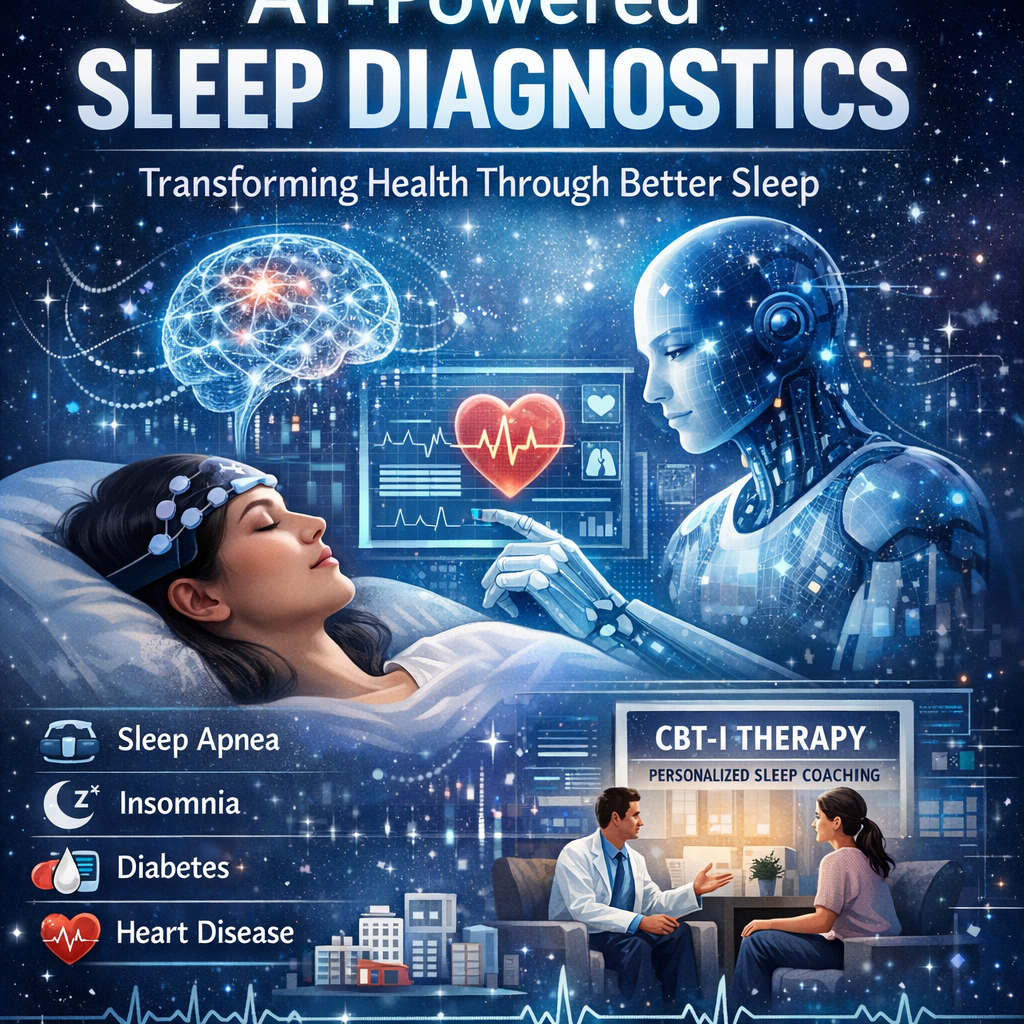
A pivotal study conducted at the **University of Pennsylvania** employed **machine learning** algorithms to analyze vast amounts of data, identifying patterns that could predict who is most likely to develop sleep apnea. This study introduces a promising way to use **Artificial Intelligence (AI)** in anticipating the risk factors and tailoring preventive strategies accordingly [link](https://www.upenn.edu/research).
The **European Sleep Research Society** has started exploring the use of **biomarkers** and non-invasive tests for more accurate diagnosis and treatment personalization. Findings suggest that biomarkers, specific proteins indicative of disease processes, can be incredibly indicative in differentiating subtypes of sleep apnea and predicting treatment responses [link](https://www.esrs.eu/journal).
Many of these studies emphasize the potential role of genetics and AI in overcoming the limitations of current treatments like CPAP, which despite its high efficacy, suffers from poor patient compliance. By aligning treatment with a patient’s specific genetic profile, healthcare providers can not only anticipate treatment outcomes more accurately but also enhance user adherence by minimizing side effects. Such scientific endeavors signify the dawn of a new era where sleep apnea management becomes far more precise, effective, and personalized.
Conclusion
The journey toward comprehensive, precise treatment for sleep apnea shines with promise. While we are in the early phases of integrating **precision medicine** into regular clinical practice, breakthroughs like **genomic profiling** and **predictive modeling** are already marking immense strides in managing this condition. It’s imperative for clinicians and patients alike to keep track of these advancements as they hold the key to not just better sleep, but overall improved health and longevity. As research continues to unfold, the hope is to shape a healthcare paradigm where precision medicine doesn’t only treat sleep apnea but rather elevates the quality of life for those affected. With ongoing studies and innovations, the future of sleep health is poised to be more tailored, efficient, and inclusive than ever before.
**Concise Summary**
Precision medicine promises to redefine sleep apnea treatment by tailoring therapies based on individual genetic, environmental, and lifestyle factors. Traditional treatments like CPAP therapy often fall short, but precision medicine offers hope by focusing on specific genetic markers and using AI for personalized interventions. Research highlights the potential of such advanced methods to improve patient outcomes and adherence, marking a pivotal shift towards more effective, personalized management of sleep apnea. As efforts progress, both clinicians and patients stand to benefit from significant advancements aiming to enhance sleep quality and overall health.

Dominic E. is a passionate filmmaker navigating the exciting intersection of art and science. By day, he delves into the complexities of the human body as a full-time medical writer, meticulously translating intricate medical concepts into accessible and engaging narratives. By night, he explores the boundless realm of cinematic storytelling, crafting narratives that evoke emotion and challenge perspectives.
Film Student and Full-time Medical Writer for ContentVendor.com