Beyond the Mattress: How Advanced AI is Revolutionizing Sleep Apnea Diagnosis and Treatment
Sleep is an essential component of our overall well-being, yet millions worldwide grapple with sleep-related disorders, with **Obstructive Sleep Apnea (OSA)** being one of the most prevalent. Characterized by repetitive episodes of complete or partial obstructions of the upper airway during sleep, OSA is a major concern that can lead to significant health issues such as cardiovascular disease, daytime fatigue, and cognitive impairments. Despite its impacts, this condition often goes undiagnosed due to the cumbersome and expensive nature of traditional diagnostic methods like **polysomnography tests** conducted in specialized sleep labs.
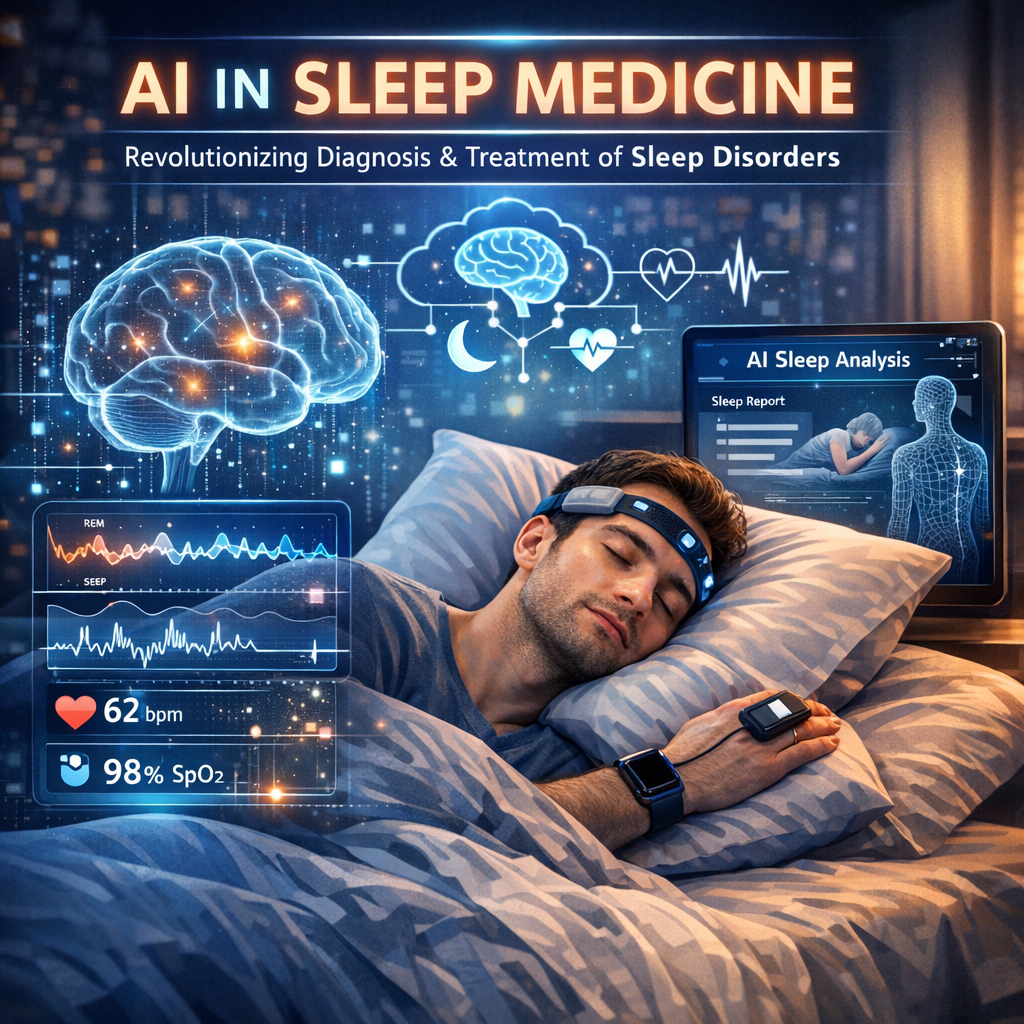
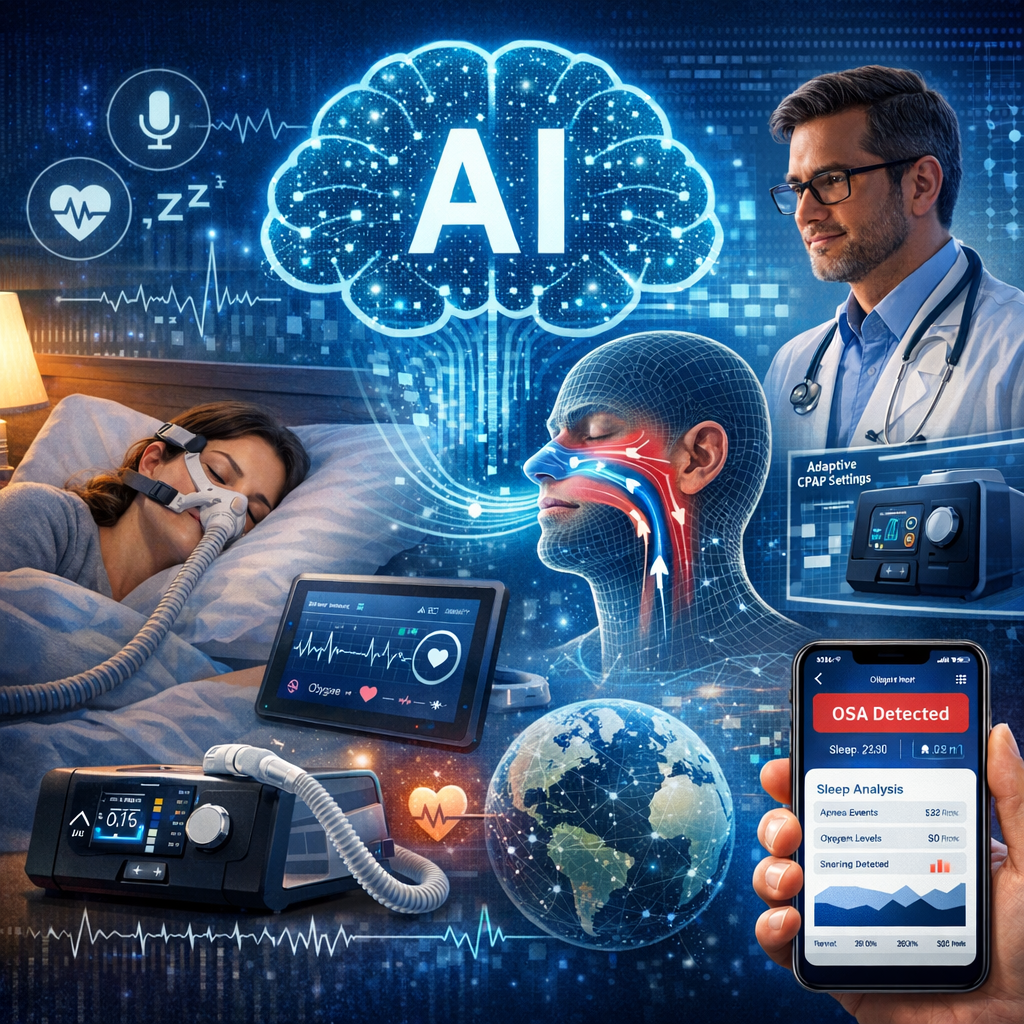
Enter **Artificial Intelligence (AI)**, which is making waves across various sectors, including healthcare, by providing innovative solutions that promise to ease and enhance the process of diagnosing and treating sleep apnea. AI’s ability to analyze vast sets of data quickly and accurately has opened new avenues for coping with sleep apnea, reducing the need for overnight hospital stays, and collecting complex data during sleep studies. AI-powered home devices and smartphone apps enable patients to undergo preliminary assessments in the comfort of their environments. These tools analyze breathing patterns, snore sounds, movement, and vital signs with remarkable precision, indicating potential sleep apnea symptoms earlier than traditional methods.
Moreover, AI is enhancing **Continuous Positive Airway Pressure (CPAP) therapy**—one of the most common treatments for OSA—by personalizing the pressure settings and usage patterns to better match individual patient needs, potentially improving adherence rates. AI algorithms can monitor device usage patterns and adjust therapies accordingly in real-time, providing insights into factors that may disrupt sleep or lead to discomfort, such as mask leakage or improper fitting.
AI is not just simplifying the diagnosis and treatment of sleep apnea but is also making healthcare more accessible. **Remote patient monitoring** through AI platforms helps bridge the gap for patients in rural or underserved areas, ensuring they receive timely and effective care. This advancement embodies a shift towards a more streamlined, patient-centric approach, eliminating barriers to diagnosis and treatment while continuously refining its accuracy and efficiency.
Features
Recent advancements in AI’s role in sleep apnea management have been supported by numerous professional and medical studies. According to a landmark study published in [Nature and Science of Sleep](https://www.dovepress.com/nature-and-science-of-sleep-journal), researchers demonstrated the potential of AI algorithms to enhance the accuracy of sleep assessments. The study utilized deep learning algorithms that interpreted overnight oximetry data to determine the severity of OSA effectively. The results indicated that AI could potentially reduce the dependency on comprehensive polysomnography tests, offering a less intrusive option that can scale diagnosis efforts globally.
Additionally, a collaboration between medical researchers and technology companies resulted in an AI-based model that analyzes **electrocardiogram (ECG)** signals recorded on wearable devices. As published in the [Journal of Clinical Sleep Medicine](https://jcsm.aasm.org), the model demonstrated a high sensitivity and specificity in identifying OSA events, paving the way for accurate diagnosis using readily available consumer electronics.
In terms of treatment, AI’s integration with CPAP devices is being closely evaluated. A study presented at the American Thoracic Society meeting highlighted significant improvements in therapy adherence rates when AI-driven personalization was used in CPAP machines. The technology dynamically adjusted pressure settings based on real-time data analysis, leading to improved patient comfort and therapy effectiveness. This reflects a significant step forward in addressing one of the critical challenges in CPAP therapy — non-compliance due to discomfort.
Moreover, research published by [The Lancet Digital Health](https://www.thelancet.com/digital-health) analyzed AI’s potential for remote monitoring, which is crucial for ongoing management and follow-up in OSA patients. The study underscored that AI-enabled telemonitoring systems provided clinicians with critical insights through continuous data streams, improving patient outcomes through timely therapeutic interventions.
Conclusion
The integration of **AI** in the diagnosis and treatment of **sleep apnea** represents a revolutionary advancement in sleep medicine. As AI-driven tools and devices become more widespread, the barriers that once hindered timely diagnosis and effective treatment are diminishing. The promise of AI lies in its ability to deliver precise analytics, personalized solutions, and real-time monitoring, thereby empowering patients and healthcare professionals alike.
The implications of AI in sleep apnea care extend beyond individual patient outcomes, potentially reducing healthcare costs and improving accessibility to diagnosis and treatment worldwide. Ultimately, these advancements will enable more individuals to benefit from a better quality of sleep and, consequently, an enhanced quality of life. As research and innovation continue to expand AI’s capabilities, we may witness a future where all sleep disorders can be effectively managed, allowing everyone to achieve the restful nights they deserve.
By embracing AI, health systems can foster a proactive approach in sleep health, offering a glimpse into a horizon where sleep disorders are not just managed but anticipated and treated with unprecedented precision. This underscores the critical role AI will undoubtedly play in the evolution of healthcare, driving forth a new era where technology and human expertise work hand in hand to achieve optimal health outcomes.
**Concise Summary**: AI is transforming the diagnosis and treatment of sleep apnea by enabling efficient and accessible healthcare through home devices and apps. By analyzing data such as breathing patterns and snore sounds, AI tools offer early detection of symptoms. AI-enhanced CPAP therapies are improving adherence by personalizing treatments. Studies show AI’s effectiveness in remote monitoring and the potential to replace traditional tests with less invasive solutions. This evolution in sleep medicine could reduce healthcare costs and provide better sleep quality, empowering patients and healthcare providers with real-time analytics and personalized solutions.

Dominic E. is a passionate filmmaker navigating the exciting intersection of art and science. By day, he delves into the complexities of the human body as a full-time medical writer, meticulously translating intricate medical concepts into accessible and engaging narratives. By night, he explores the boundless realm of cinematic storytelling, crafting narratives that evoke emotion and challenge perspectives.
Film Student and Full-time Medical Writer for ContentVendor.com