The Sleep-Tech Revolution: How AI and Machine Learning Are Transforming Sleep Apnea Diagnostics and Treatment
Introduction
**Sleep apnea**, a disorder characterized by repetitive interruptions in breathing during sleep, affects millions worldwide. It leads to fragmented sleep and inadequate oxygen supply, resulting in severe daytime fatigue and cognitive disturbances while increasing the risk of cardiovascular diseases and metabolic disorders. Traditionally, diagnosing sleep apnea required an overnight stay in a sleep lab, where **polysomnography**—an extensive and expensive procedure—monitored multiple physiological parameters, including **heart rate**, **blood oxygen levels**, and **breathing patterns**. However, advancements in technology, particularly in **artificial intelligence (AI)** and **machine learning (ML)**, are revolutionizing how we diagnose and treat this pervasive condition.
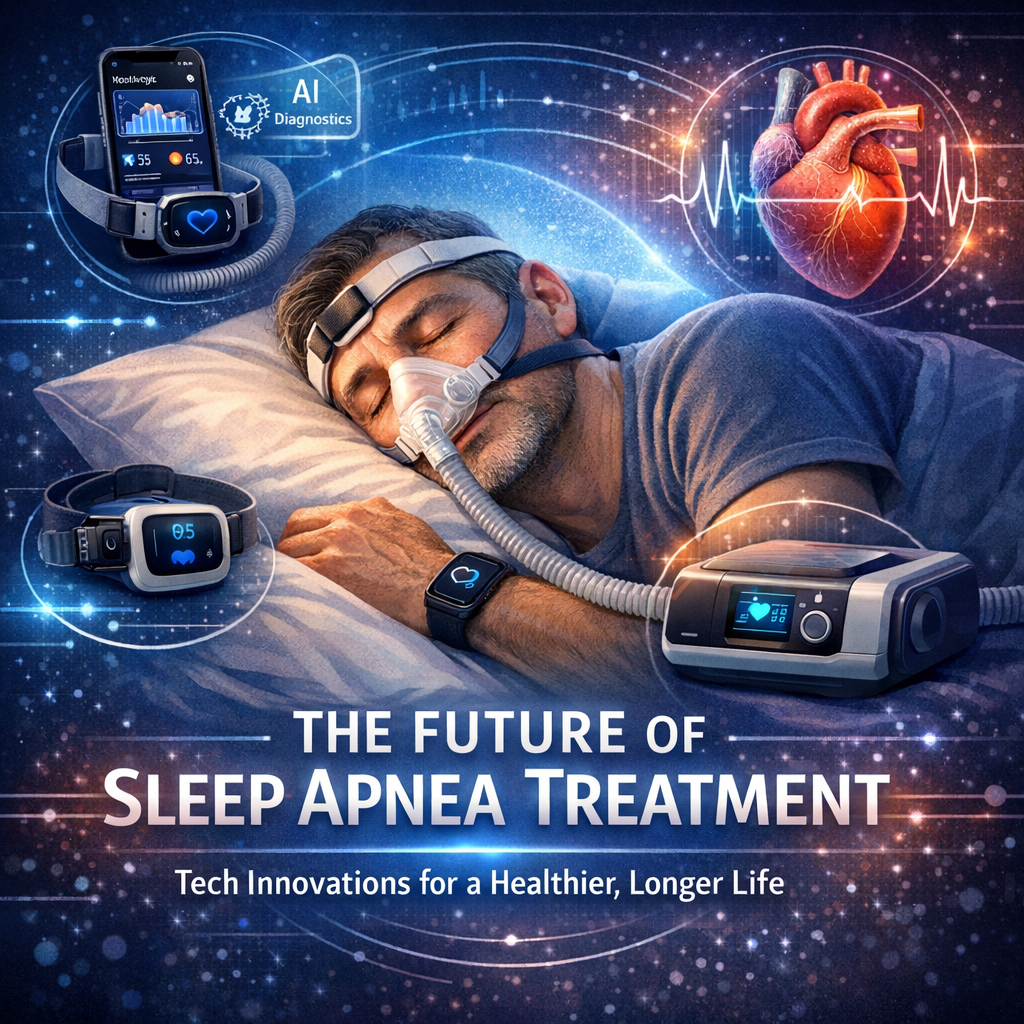
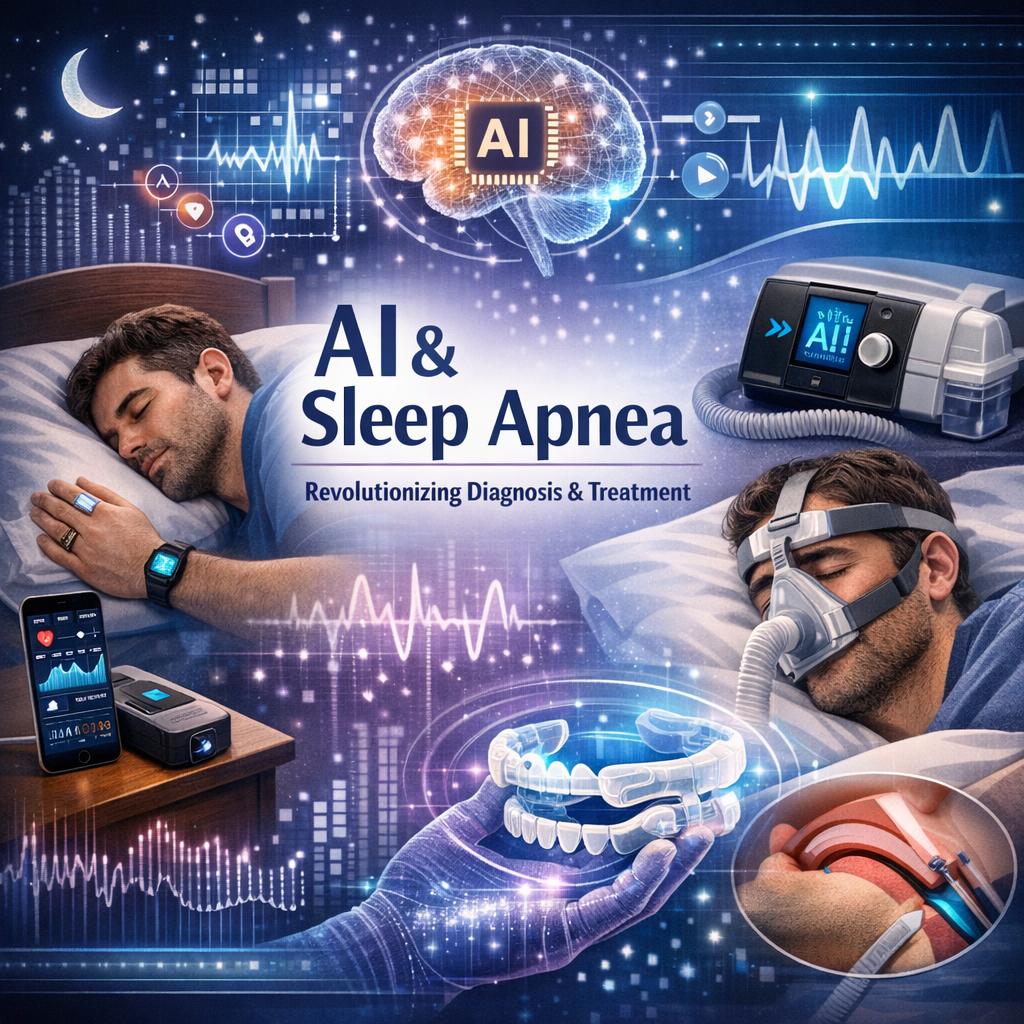
AI and ML technologies are ushering in a new era of accessible and efficient sleep apnea diagnostics. By analyzing vast amounts of data from wearable devices and home sleep tests, these technologies can identify patterns and predict the likelihood of sleep apnea occurrences with remarkable accuracy. This not only reduces the necessity for in-lab sleep studies but also offers cost-effective and timely evaluations, making sleep diagnostics more accessible to patients worldwide. Furthermore, AI-powered algorithms can personalize treatment for those with sleep apnea, optimizing **Continuous Positive Airway Pressure (CPAP)** therapies by continuously adjusting air pressure based on detected patterns of airway obstruction.
**Machine learning** is also being utilized in developing innovative therapeutic strategies, such as smart oral appliances, that adjust in response to physiological data collected during sleep. These devices offer alternatives for patients unable to tolerate CPAP therapy. The integration of AI into telemedicine platforms further extends the reach of professional consultations, ensuring continuous monitoring and treatment adjustments without the need for frequent in-person visits.
In this article, we will explore how AI and machine learning are transforming sleep apnea diagnostics and treatment, examining recent studies and breakthroughs that highlight these advances. By understanding the potential and application of AI-driven solutions, we can appreciate the possibilities they offer for enhancing sleep health and the quality of life for those affected by sleep disorders.
Features
One of the pioneering studies in the application of AI for sleep apnea diagnostics was conducted by the **University of Sheffield**, where researchers developed an AI model capable of diagnosing sleep apnea through digital smartphone audio recordings. This study demonstrated that the AI algorithm could detect apnea events by analyzing breathing patterns captured during sleep, achieving an 86% accuracy rate compared to traditional in-lab polysomnography. Such easy-to-use smartphone applications can democratize sleep health assessment by making it accessible to a broader audience with minimal costs and logistical demands.
Another significant study, conducted at **Harvard Medical School**, explored the feasibility of using machine learning algorithms with data from wearable devices like smartwatches to detect sleep apnea. The researchers leveraged the device’s capability to continuously monitor heart rate variability and blood oxygen levels, along with accelerometry data. Their AI model demonstrated sensitivity and specificity comparable to polysomnography, posing these wearables as cost-effective alternatives for preliminary sleep disorder screenings.
Moreover, a clinical trial focusing on AI-driven CPAP therapy optimization was carried out by the **University of Pennsylvania**. The study employed a machine learning algorithm that adjusted air pressure dynamically throughout the night, ensuring optimal therapy adherence and effectiveness. Patients using the AI-enhanced CPAP machines showed significant improvements in sleep quality and compliance compared to those on standard machines, evidencing the potential of AI in refining existing treatments.
These studies highlight the promising impact AI and machine learning can have on sleep apnea management—from simplifying diagnostics to enhancing therapy outcomes. As research continues, it is anticipated that these technologies will not only enhance convenience and accuracy but also lead to groundbreaking developments in understanding and treating sleep disorders.
Conclusion
The integration of AI and machine learning into sleep apnea diagnostics and treatment marks a significant advancement in sleep health. By providing accessible, accurate, and cost-effective diagnostic solutions, as well as optimizing existing treatments, these technologies are poised to improve the management of sleep apnea profoundly. As we embrace this technological revolution, ongoing research and interdisciplinary collaboration will be critical in refining these tools and ensuring their widespread adaptation and acceptance. The promise of AI in personalizing sleep health interventions can lead to greater patient satisfaction, adherence, and ultimately, improved quality of life for those suffering from sleep disorders. The future of sleep health is bright, with AI and machine learning at the forefront, offering tailored solutions and bridging gaps in the conventional sleep care landscape.
References
1. [University of Sheffield: AI Model for Sleep Apnea Using Smartphone Audio](https://www.sheffield.ac.uk/news/nr/ai-assistant-diagnoses-sleep-apnoea-1.885084)
2. [Harvard Medical School: Machine Learning and Wearable Devices for Diagnosing Sleep Apnea](https://health.harvard.edu/blog/the-potential-of-wearable-technology-and-ai-for-diagnosing-sleep-apnea-2021120126646)
3. [University of Pennsylvania: AI-Enhanced CPAP Therapy Study](https://www.pennmedicine.org/news/news-releases/2021/november/ai-driven-cpap-therapy-patient-outcomes)
**Summary**
AI and ML are transforming the landscape of sleep apnea diagnosis and treatment. By leveraging data from wearable devices and home tests, these technologies offer accurate and cost-effective solutions, reducing reliance on traditional sleep labs. Pioneering studies from reputable institutes like the University of Sheffield, Harvard Medical School, and the University of Pennsylvania showcase the effectiveness of these technologies in diagnosing sleep apnea and optimizing CPAP therapies. As AI continues to evolve, it promises to enhance sleep health by personalizing interventions, ensuring greater patient satisfaction, compliance, and improved quality of life for those affected by sleep disorders.

Dominic E. is a passionate filmmaker navigating the exciting intersection of art and science. By day, he delves into the complexities of the human body as a full-time medical writer, meticulously translating intricate medical concepts into accessible and engaging narratives. By night, he explores the boundless realm of cinematic storytelling, crafting narratives that evoke emotion and challenge perspectives.
Film Student and Full-time Medical Writer for ContentVendor.com