Breath of Life: How Sleep Apnea Technology is Reshaping the Future of Longevity
In the quest for longevity and enhanced quality of life, the pursuit of better sleep is gaining momentum as a key focus in health and wellness circles. Health professionals and researchers agree that good sleep is not merely restful but also reparative, influencing numerous physiological and cognitive processes essential for overall well-being. Among the myriad of sleep disorders, sleep apnea stands out due to its compelling link with cardiovascular health, metabolic regulation, and neurocognitive function. Approximately 22 million Americans suffer from sleep apnea, yet nearly 80% of moderate and severe cases remain undiagnosed.
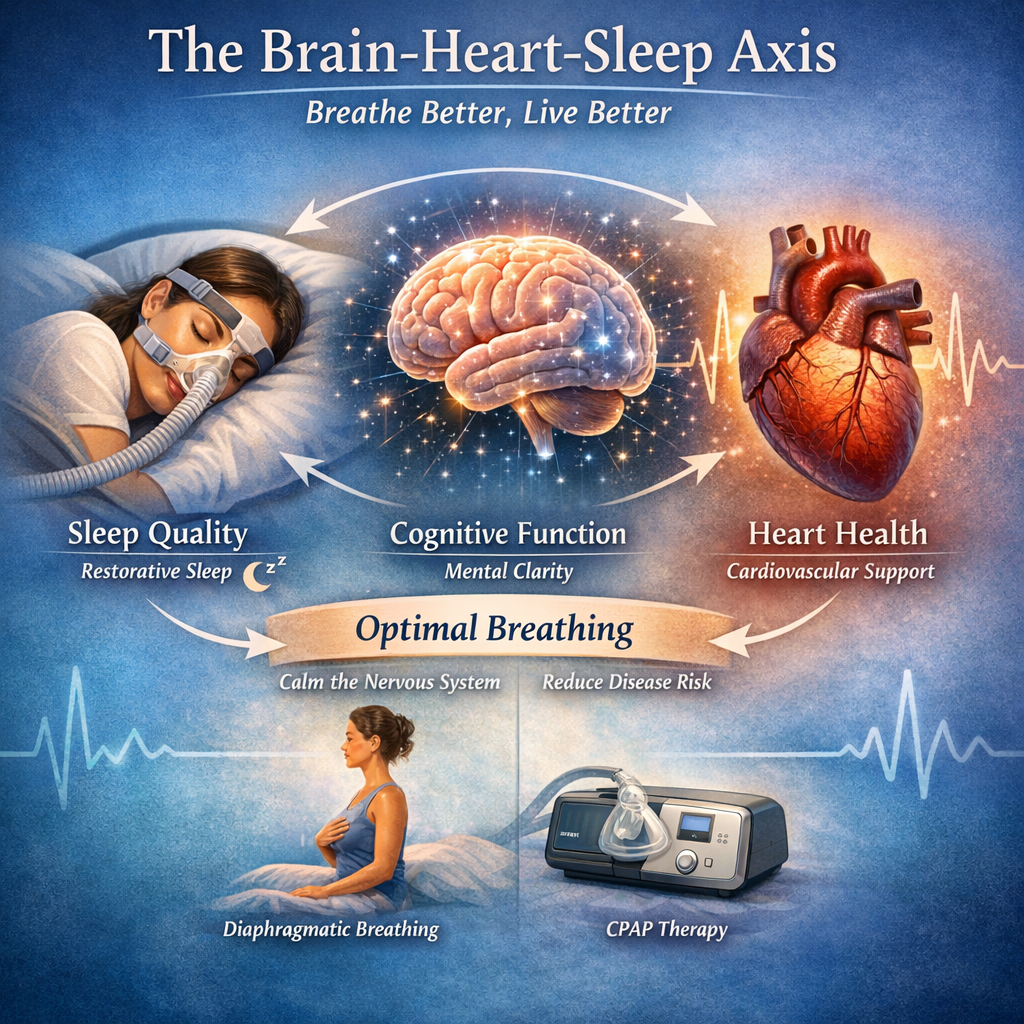
Sleep apnea occurs when an individual’s breathing is repeatedly interrupted during sleep. These interruptions can result in reduced oxygen levels in the blood and poor sleep quality, triggering various health concerns. The most common type, obstructive sleep apnea (OSA), is characterized by repeated episodes of partial or complete obstruction of the upper airway during sleep despite continued breathing efforts. Central sleep apnea, though less common, involves the brain’s malfunction in sending signals to the muscles that control breathing.
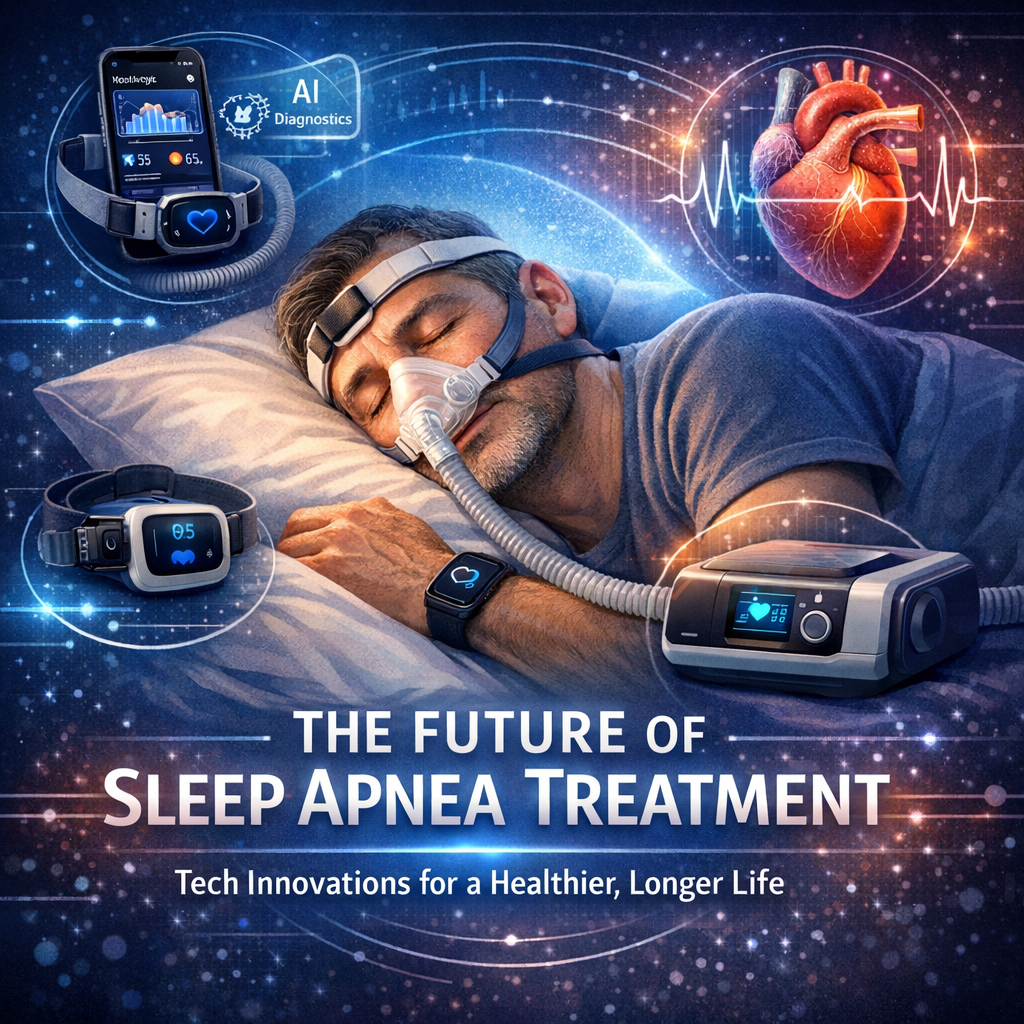
Recent advancements in technology promise a new era in diagnosing and managing sleep apnea, revolutionizing how we approach sleep health and subsequently, longevity. Technological strides offer more personalized, accurate, and convenient solutions compared to traditional diagnostics and treatment methods, which often involved cumbersome and uncomfortable overnight studies in sleep labs known as polysomnography.
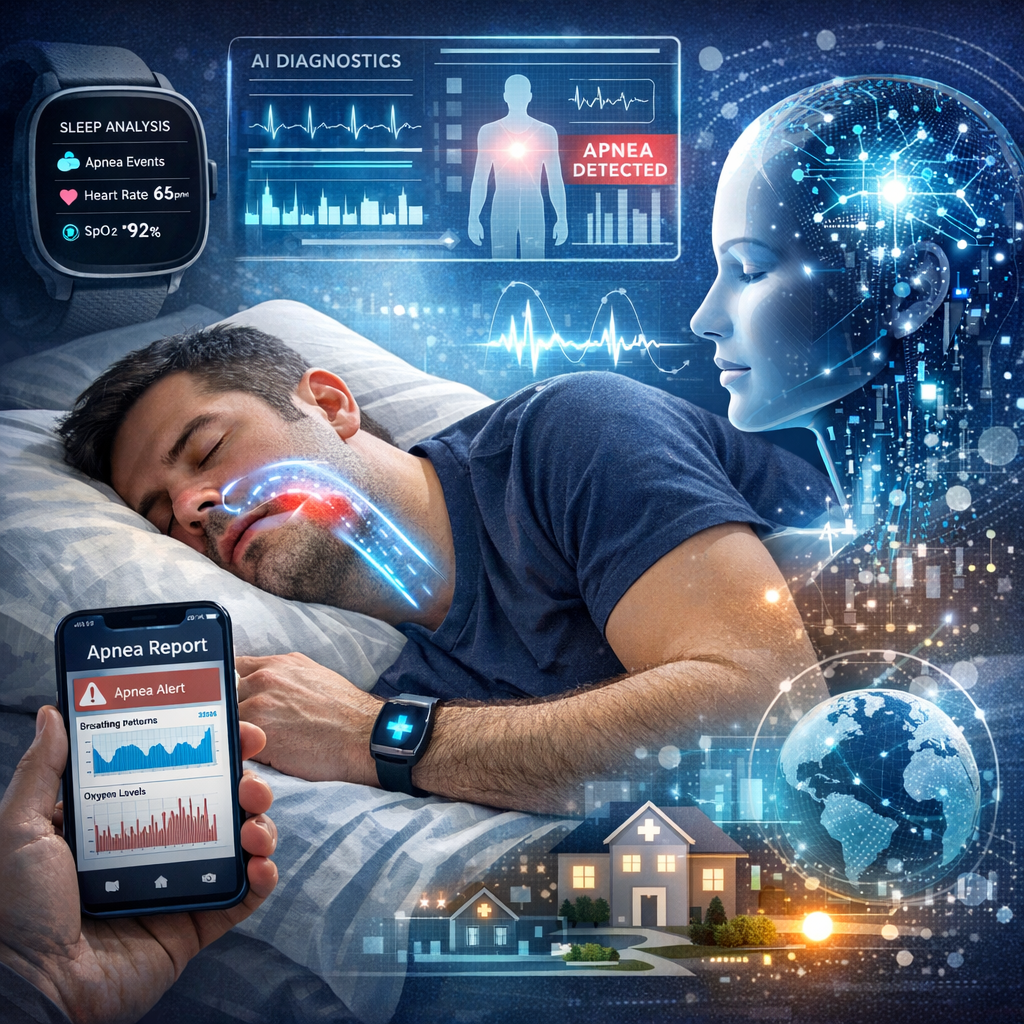
Today, wearable devices, home-based sleep test kits, and sophisticated apps are at the forefront of this evolution, allowing individuals to monitor sleep in their comfort zones. These tools provide valuable insights into sleep patterns and respiratory disturbances, thus empowering users with knowledge about their health. Additionally, advanced Continuous Positive Airway Pressure (CPAP) machines now feature enhanced comfort options and connectivity, ensuring adherence to therapy and facilitating remote monitoring by healthcare professionals.
Moreover, the integration of Artificial Intelligence (AI) and machine learning is refining the accuracy and efficiency of diagnosing sleep apnea. Such technologies can predict sleep disturbances by analyzing multiple data points and even suggest personalized treatment plans, tailored to accommodate variations in individual needs and lifestyles. These innovations not only hold the potential to improve sleep quality but also extend life expectancy by diminishing the associated risks of untreated sleep apnea, such as heart disease, diabetes, and diminished mental acuity.
Features
A plethora of recent studies have underscored the transformative impact of cutting-edge sleep apnea technology on health outcomes. A study published in the [“Journal of Clinical Sleep Medicine”](https://jcsm.aasm.org) demonstrated the efficacy of home-based sleep apnea tests, revealing them to be nearly as accurate as in-lab polysomnography for diagnosing OSA in suspected cases. This democratization of sleep diagnostics marks a significant shift, allowing greater access to initial and ongoing evaluations for a wider population, thus facilitating timely intervention.
Technological advancements in CPAP therapy are also reflecting promising outcomes. Research conducted by the [American Thoracic Society](https://www.thoracic.org) noted that newer models featuring automatic pressure adjustment, humidification, and wireless monitoring significantly improved patients’ adherence to therapy, which is crucial for effective treatment. The study highlighted a reduction in the incidence of cardiovascular events among compliant users, underscoring the treatment’s potential to elongate life expectancy and improve heart health.
Furthermore, there is an emerging interest in the role of AI to enhance diagnostic precision and treatment efficacy in sleep apnea. A notable study published in [“Sleep” journal](https://academic.oup.com/sleep) investigated the application of machine learning algorithms in analyzing sleep data. The findings corroborated that AI could accurately detect sleep apnea severity and predict treatment responses, making way for more tailored, effective interventions. This level of customization arises because AI’s learning algorithms can analyze and adapt to individual patient data far beyond the capabilities of traditional methods.
Given sleep apnea’s association with numerous health conditions, technologies that ensure early diagnosis and intervention are not just promising but essential. As these technologies continue to evolve, they signify a pivotal shift, not only improving quality of sleep but also serving as a foundational pillar for enhanced longevity.
Conclusion
The future of longevity is increasingly intertwined with how we advance in the diagnosis and treatment of sleep disorders like sleep apnea. As technology continues to revolutionize this field, it provides promising pathways for extending both lifespan and healthspan. These innovations afford a higher standard of life, where sleep apnea is no longer a silent threat but a manageable condition with far-reaching health benefits. By prioritizing sleep health, integrating advanced technological solutions, and ensuring access to effective treatments, a longer, healthier life is within reach. Embracing these advancements offers a vibrant promise: to breathe deep, sleep sound, and live long.
**References**
– [National Institutes of Health](https://www.nhlbi.nih.gov/health-topics/sleep-apnea). “Sleep Apnea Information.”
– [Journal of Clinical Sleep Medicine](https://jcsm.aasm.org). “Accuracy of Home Sleep Apnea Test Devices.”
– [American Thoracic Society](https://www.thoracic.org). “Adherence to CPAP Therapy.”
– [Sleep Journal](https://academic.oup.com/sleep). “Machine Learning in Sleep Apnea Diagnosis.”
**Concise Summary**
Modern technology is set to transform sleep apnea management, significantly influencing longevity and health quality. With advancements such as wearable devices, AI, and improved CPAP machines, diagnosing and treating sleep apnea becomes more efficient and personalized. These innovations enhance sleep quality and potentially reduce risks of heart disease, diabetes, and cognitive decline associated with untreated sleep apnea. Thus, as technologies evolve, they not only address sleep apnea’s silent threat but also pave the way for extended lifespan and improved healthspan.

Dominic E. is a passionate filmmaker navigating the exciting intersection of art and science. By day, he delves into the complexities of the human body as a full-time medical writer, meticulously translating intricate medical concepts into accessible and engaging narratives. By night, he explores the boundless realm of cinematic storytelling, crafting narratives that evoke emotion and challenge perspectives.
Film Student and Full-time Medical Writer for ContentVendor.com