How AI is Reengineering Sleep Diagnostics: A Deep Dive into the Future of Clinical Sleep Health
Introduction
In today’s fast-paced world, **sleep** is often a commonly overlooked element of overall health. However, its crucial role in mental and physical well-being cannot be overstated. Traditional **sleep disorder diagnostics** often involve elaborate procedures: overnight stays at sleep clinics, noisy equipment, and labor-intensive analysis. Yet, advances in technology, particularly **artificial intelligence (AI)**, are poised to revolutionize the field of sleep diagnostics, making it more efficient, accessible, and accurate.
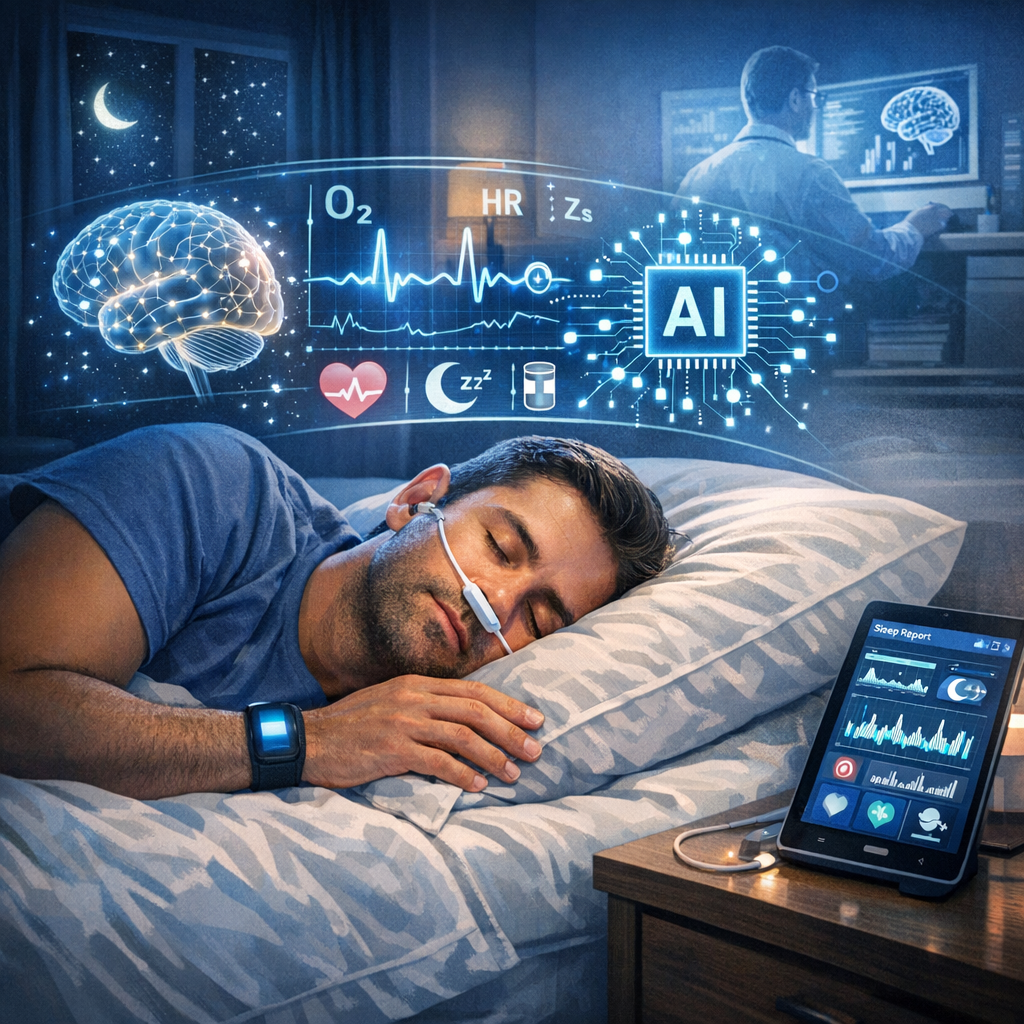
AI’s potential to transform sleep health diagnostics has been made possible by its capacity to analyze vast amounts of data swiftly and with high precision. **Machine learning algorithms** can sift through numerous medical records, polysomnography data, and other relevant factors to identify patterns that human eyes might miss. They provide insights that help in diagnosing sleep disorders such as **insomnia**, **sleep apnea**, **narcolepsy**, and **restless leg syndrome**. These algorithms can learn from new data and improve over time, offering the kind of personalized sleep solutions that were once the realm of science fiction.
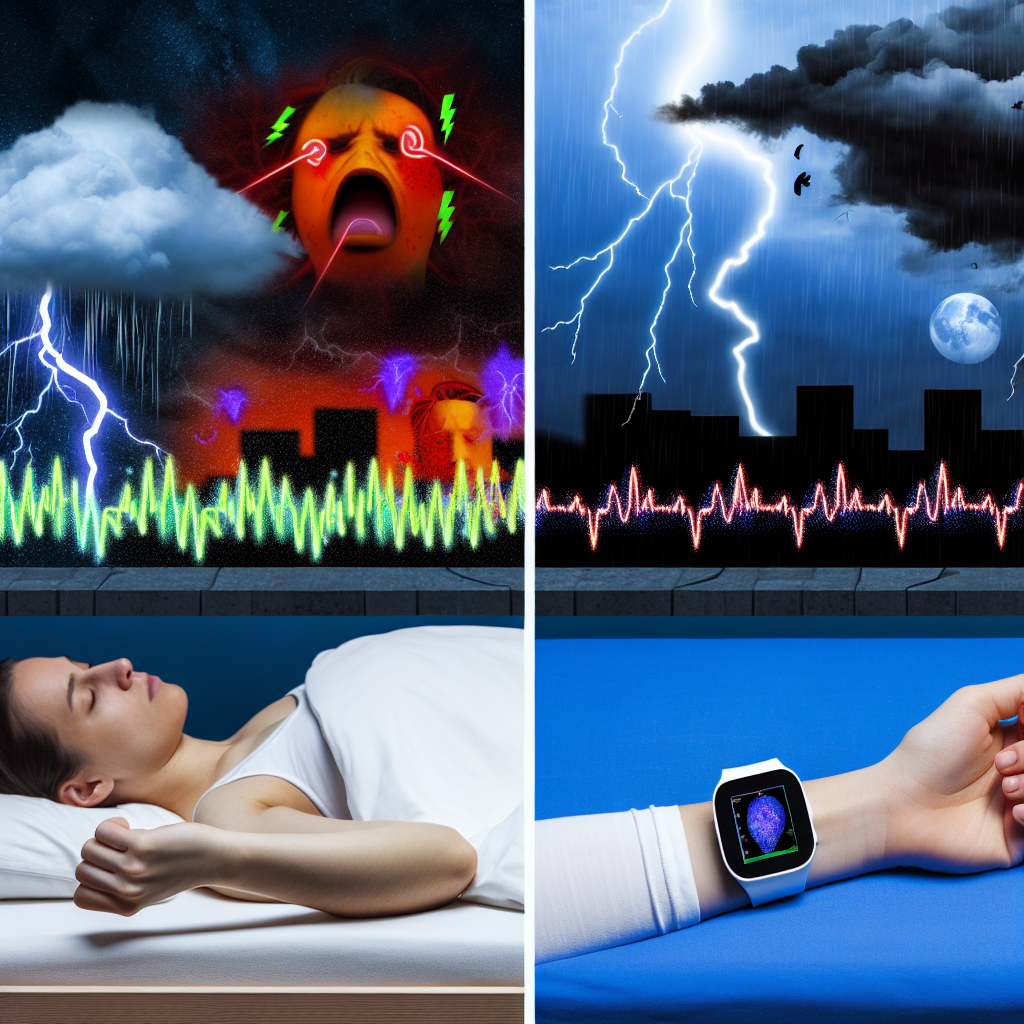
One of the most intriguing aspects of AI in sleep diagnostics is the ability to conduct sleep studies outside the confined walls of a sleep clinic. With **wearable devices** that track heart rate, breathing patterns, and movement throughout the night, AI can analyze this plethora of data, providing a comprehensive picture of an individual’s sleep health without them ever leaving their bedroom. This not only increases accessibility but also ensures a more natural environment for the analysis of one’s sleep patterns.
Moreover, AI technologies can aid in creating predictive models that help forecast potential sleep health issues before they manifest, allowing for early intervention and treatment. Data privacy and **ethical considerations** around AI’s use must be carefully managed, ensuring that the technology serves the patients’ best interests without compromising their personal information. As the technology continues to evolve, it offers a promising future for millions who struggle with sleep disorders worldwide, making quality sleep achievable for everyone.
Features
The advancements in AI technology are backed by numerous professional and medical studies that underscore its effectiveness and potential in reengineering sleep diagnostics. A vital study conducted by the **American Academy of Sleep Medicine** showcased that AI applications in sleep medicine improved diagnosis accuracy and reduced the time required for analyzing polysomnography readings. By automating the scoring system for sleep stages, AI mitigates the variability and subjective error that typically arise from manual scoring, substantially enhancing diagnostic precision.
Another pivotal study by a team at **Massachusetts Institute of Technology (MIT)** explored the effectiveness of AI in home-based sleep studies. The research found that wearable devices equipped with AI could successfully monitor sleep stages—**REM**, **light**, **deep sleep**—and provide detailed reports akin to those produced by conventional methodologies used in clinical settings. This method is especially beneficial for pediatric and geriatric populations who may find traditional sleep studies cumbersome and stressful.
Moreover, a clinical trial conducted by **Stanford University** demonstrated that AI’s predictive modeling capabilities help identify patients at risk of developing sleep apnea or other disorders, paving the way for preventive health strategies. By observing and analyzing a patient’s sleep data over time, these AI tools can alert healthcare providers to subtle changes that might indicate the onset of a sleep disorder, thereby facilitating timely interventions.
A systematic review published in the **Journal of Sleep Research** highlighted AI’s role in personalized sleep medicine. According to the study, machine learning algorithms can be trained on diverse datasets to offer customized treatment options, taking into account factors such as lifestyle, genetic predispositions, and co-existing health conditions. These personalized interventions represent the pinnacle of sleep health—interventions that aren’t just reactive, but proactive in improving long-term outcomes.
Conclusion
Artificial intelligence in sleep diagnostics offers a groundbreaking shift from traditional methodologies into a future where sleep health is more personalized, efficient, and accessible. With continuous advancements, AI stands at the forefront of a new era in sleep medicine, promising improved diagnostic accuracy and even becoming an indispensable partner in preemptive health strategies. Beyond the realm of scientific and technological innovation, this evolution in sleep diagnostics represents a significant stride toward understanding and enhancing the quintessential human experience of restful sleep. However, navigating the responsible implementation of AI remains crucial; it demands unwavering attention to data privacy and **ethical standards**. As we embrace AI’s potential, we foster an empowering environment where quality sleep health is within reach for individuals across all ages and backgrounds. This represents not just a potential improvement in individual well-being but a societal commitment to valuing sleep as a foundational pillar of health.
References
1. American Academy of Sleep Medicine: [AI in Sleep Medicine](https://aasm.org/ai-in-sleep-medicine)
2. MIT Study on AI and Home Sleep Monitoring: [MIT Sleep Study](https://news.mit.edu/2020/ai-sleep-study-home)
3. Stanford University Clinical Trial on AI and Sleep: [Stanford Sleep Study](https://stanfordhealthcare.org/medical-clinics/sleep-medicine.html)
4. Journal of Sleep Research: [Systematic Review on AI and Sleep](https://onlinelibrary.wiley.com/journal/13652869)
Concise Summary
AI is transforming sleep diagnostics by providing more efficient, accurate, and accessible methods for evaluating sleep disorders. Using machine learning, AI can analyze vast datasets to identify patterns missed by humans, allowing for personalized solutions for conditions like insomnia and sleep apnea. AI’s ability to conduct sleep studies outside clinics using wearable devices increases accessibility and comfort. Predictive models improve early diagnosis and intervention. Numerous studies prove AI’s efficacy, emphasizing its role in personalized sleep medicine. However, ethical considerations and data privacy remain crucial to its implementation, ensuring AI’s promise enhances health without compromise.

Dominic E. is a passionate filmmaker navigating the exciting intersection of art and science. By day, he delves into the complexities of the human body as a full-time medical writer, meticulously translating intricate medical concepts into accessible and engaging narratives. By night, he explores the boundless realm of cinematic storytelling, crafting narratives that evoke emotion and challenge perspectives.
Film Student and Full-time Medical Writer for ContentVendor.com