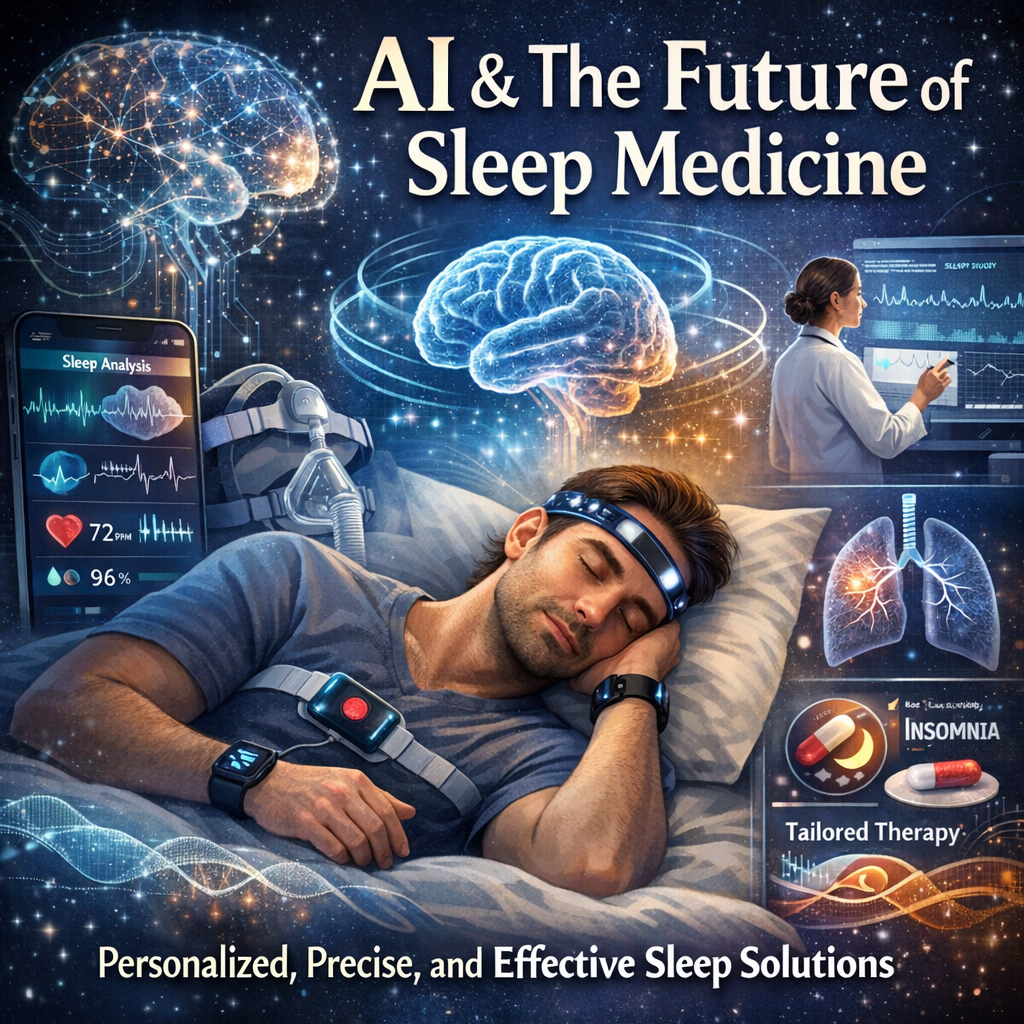
AI-Driven Sleep Diagnostics: Dissecting the Future of Personalized Sleep Medicine
Introduction
In an era where **technology** is reshaping the landscape of **healthcare**, **artificial intelligence (AI)** is paving new avenues in sleep medicine, transforming how sleep disorders are diagnosed, monitored, and treated. The interplay between AI and **sleep diagnostics** heralds a future dominated by precision and personalization. The intricacies of sleep patterns have long been a complex mystery; however, with the advent of AI, we are unraveling these complexities, granting individuals deeper insights into their **sleep health**.
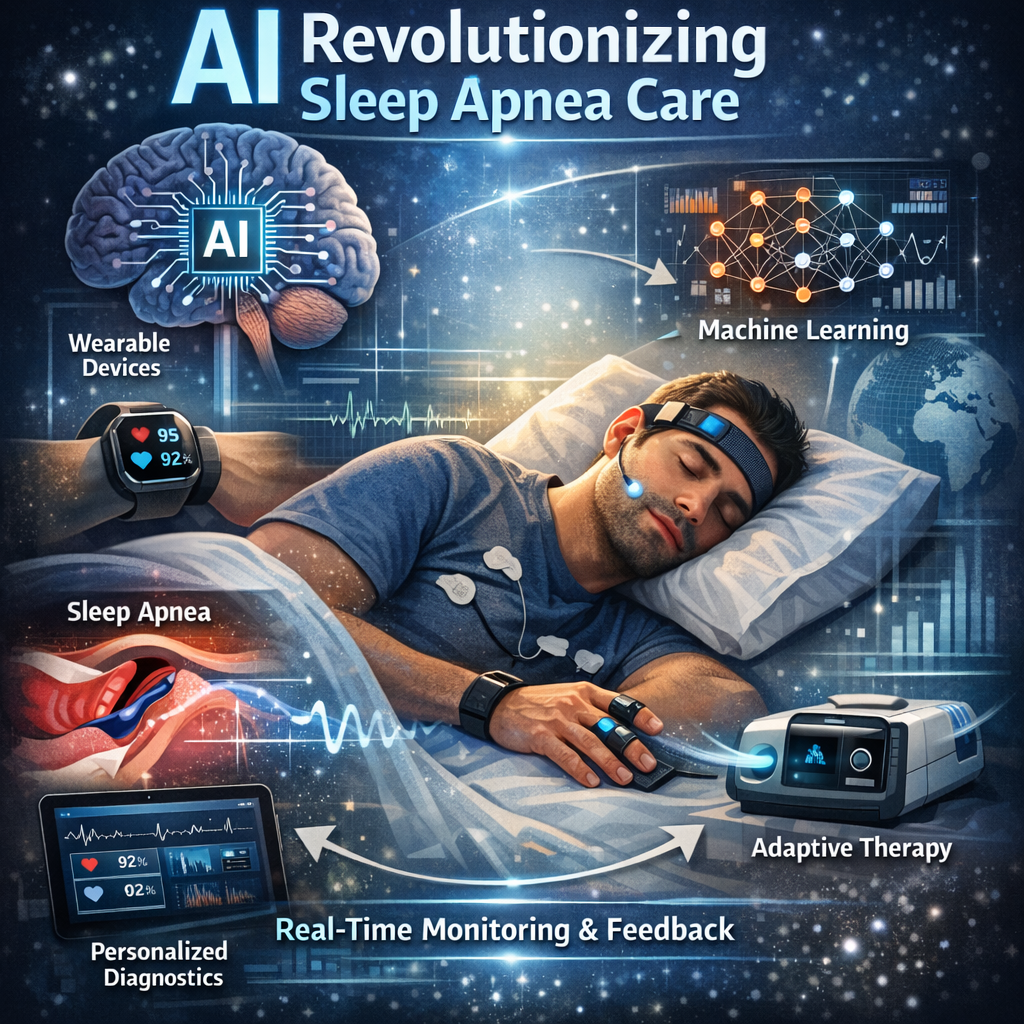
At the core of this revolution is the convergence of **AI algorithms** with cutting-edge sleep monitoring devices. Traditionally, sleep studies were conducted in controlled environments known as sleep labs, where individuals were monitored overnight, connected to an array of sensors collecting a plethora of data. Despite their effectiveness, these conventional methods are far from convenient and accessible for everyone. Enter **AI-driven wearable devices** and remote monitoring systems that ensure a seamless experience by allowing **sleep tracking** in the comfort of one’s home.
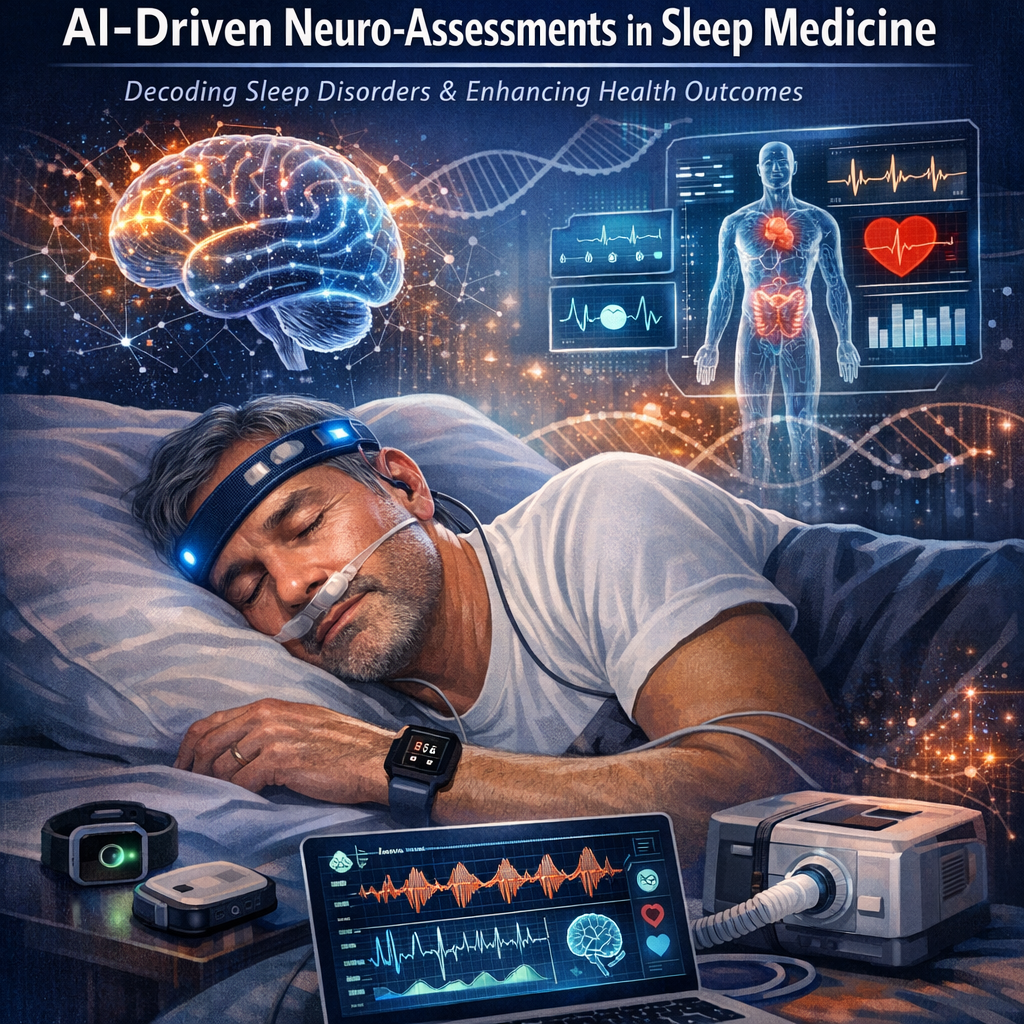
These advancements enable continuous, real-time monitoring of various parameters including brain waves, heart rate, breathing patterns, and even slight body movements, offering significant improvements in data accuracy and reliability. The collected data, when fed into AI algorithms, can detect abnormalities and patterns indicative of sleep disorders such as insomnia, sleep apnea, or restless leg syndrome with greater precision than ever before.
Moreover, AI’s potential to integrate personal health records and lifestyle data further refines the ability to deliver customized sleep solutions. This level of **personalization** is revolutionizing treatment strategies and enhancing overall sleep health by addressing the unique needs and habits of each individual. Thus, AI-driven sleep diagnostics are not only enhancing our understanding of sleep but also empowering individuals with actionable insights to improve their sleep quality and, consequently, their overall health.
Features
Several professional and medical studies underscore the transformative impact of AI in sleep medicine. A notable study published in [Nature and Science of Sleep](https://www.dovepress.com/nature-and-science-of-sleep-journal) examined the use of **machine learning algorithms** in diagnosing sleep apnea. The research demonstrated that AI could accurately identify episodes of apnea from audio recordings, showcasing a non-intrusive, highly efficient approach to diagnose a common yet often overlooked disorder.
Another comprehensive study by the [American Academy of Sleep Medicine](https://sleepeducation.org/) emphasized AI’s ability to analyze **polysomnography (PSG)** data. PSG is the gold standard for in-lab sleep studies, and incorporating AI into its analysis has allowed for the extraction of nuanced insights and faster data processing without compromising accuracy. This capability is significantly transforming diagnostic procedures by reducing the workload on healthcare professionals and minimizing potential human errors.
AI’s reach extends beyond diagnostics into creating **personalized sleep interventions**. Research highlighted in the [Journal of Clinical Sleep Medicine](https://jcsm.aasm.org/) shows promising results where AI was employed to design tailored cognitive-behavioral therapies for insomnia, leading to improved treatment outcomes. This approach exemplifies how AI can cater to individual differences in sleep patterns, environmental conditions, and lifestyle factors, facilitating optimal therapeutic strategies.
The amalgamation of AI’s pattern-recognition prowess and vast datasets derived from diverse populations ensures that the healthcare industry can harness rich insights into sleep demographics, fostering the development of robust, evidence-based sleep health practices. Additionally, AI’s ability to continuously learn and adapt promises perpetual enhancements to the accuracy of sleep diagnostics and interventions, making sleep health more accessible and effective than ever before.
Conclusion
The integration of AI in sleep diagnostics marks a monumental step toward advancing personalized medicine. By facilitating precise, data-driven insights into sleep patterns, AI technology empowers individuals and clinicians alike to understand and tackle sleep disorders with an unprecedented level of accuracy and personalization. Embracing AI-driven solutions paves the way for enhanced diagnosis, targeted treatment, and ultimately, better sleep health for everyone.
While the promise of AI in sleep medicine is immense, it is crucial to address challenges related to data privacy, algorithm transparency, and equitable access to ensure that the benefits of these technologies are universally shared. As research and development continue to progress, the collaborative efforts of technologists, healthcare providers, and policymakers will be pivotal in realizing the full potential of AI in transforming sleep health. By waking up to the capabilities of AI-driven diagnostics, society can sleep easy knowing that a healthier, well-rested future is on the horizon.
**Concise Summary:**
AI-driven sleep diagnostics are revolutionizing the field of sleep medicine by enabling precise, continuous monitoring of sleep patterns using algorithms and wearable devices. These advancements allow for the detection of sleep disorders with high accuracy and offer personalized treatment options. Studies have shown AI’s effectiveness in diagnostic processes such as polysomnography and sleep apnea identification, enhancing data accuracy while reducing human error. Despite its promise, challenges like data privacy and access need addressing to ensure equitable benefits. Collaborative efforts across sectors are crucial to fully realize AI’s potential in improving sleep health.

Dominic E. is a passionate filmmaker navigating the exciting intersection of art and science. By day, he delves into the complexities of the human body as a full-time medical writer, meticulously translating intricate medical concepts into accessible and engaging narratives. By night, he explores the boundless realm of cinematic storytelling, crafting narratives that evoke emotion and challenge perspectives.
Film Student and Full-time Medical Writer for ContentVendor.com