Could AI Predict Your Cardiometabolic Risk by Analyzing Your Sleep Data?
In an era where technology continuously transforms healthcare, artificial intelligence (AI) stands at the frontier, offering innovative approaches to predicting and managing health risks. **Cardiometabolic risk**, encompassing conditions such as heart disease, stroke, and diabetes, poses a major health concern globally. Early detection and management of these risks can significantly impact health outcomes. Interestingly, a critical predictor of **cardiometabolic health** might be found in an unexpected realm—**our sleep patterns**.
**Sleep** is a fundamental physiological process essential for health and well-being. Disruptions in sleep, such as **insomnia** or **sleep apnea**, have been linked to an increased risk of cardiometabolic diseases. Recent advancements in sleep technology, from **wearable devices** to **smart mattresses**, have enabled the collection of comprehensive sleep data. These technologies track various metrics such as sleep duration, efficiency, interruptions, and even provide insights into **REM** and non-REM stages.
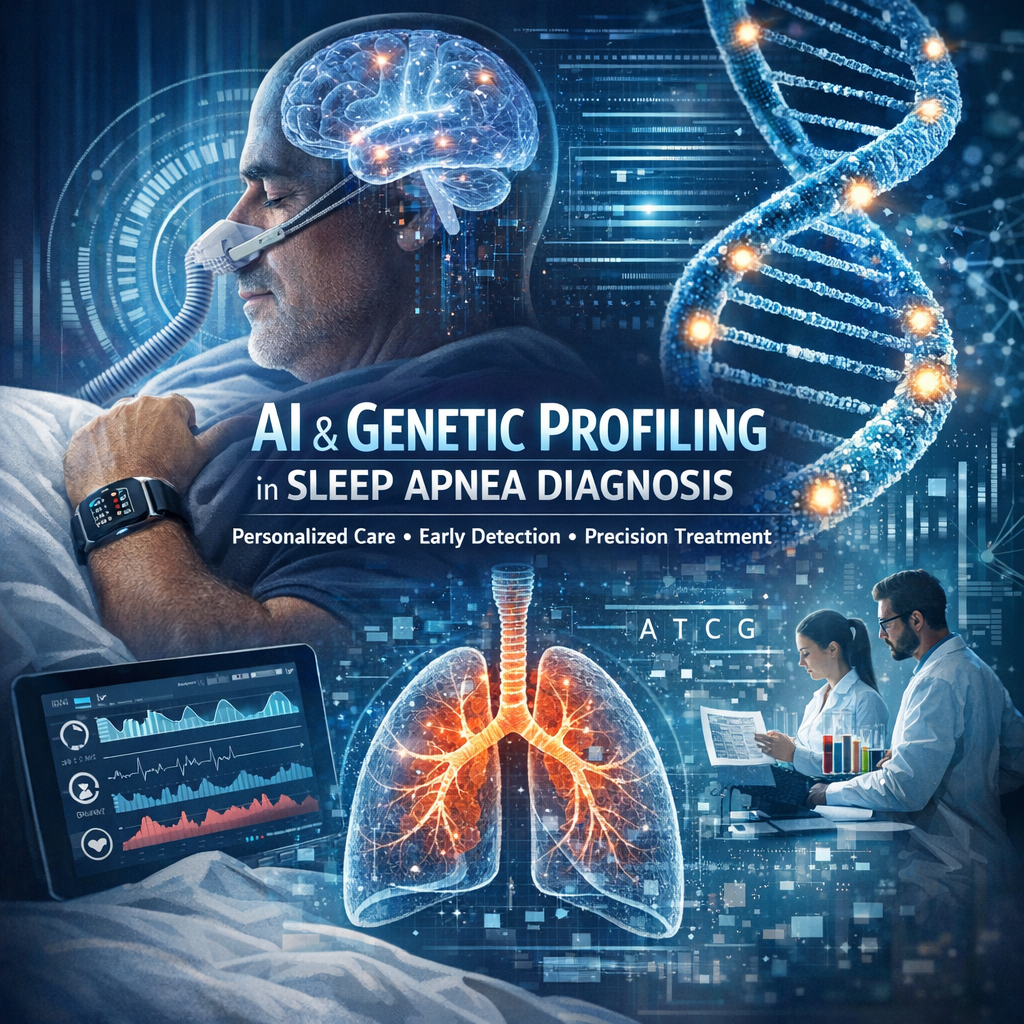
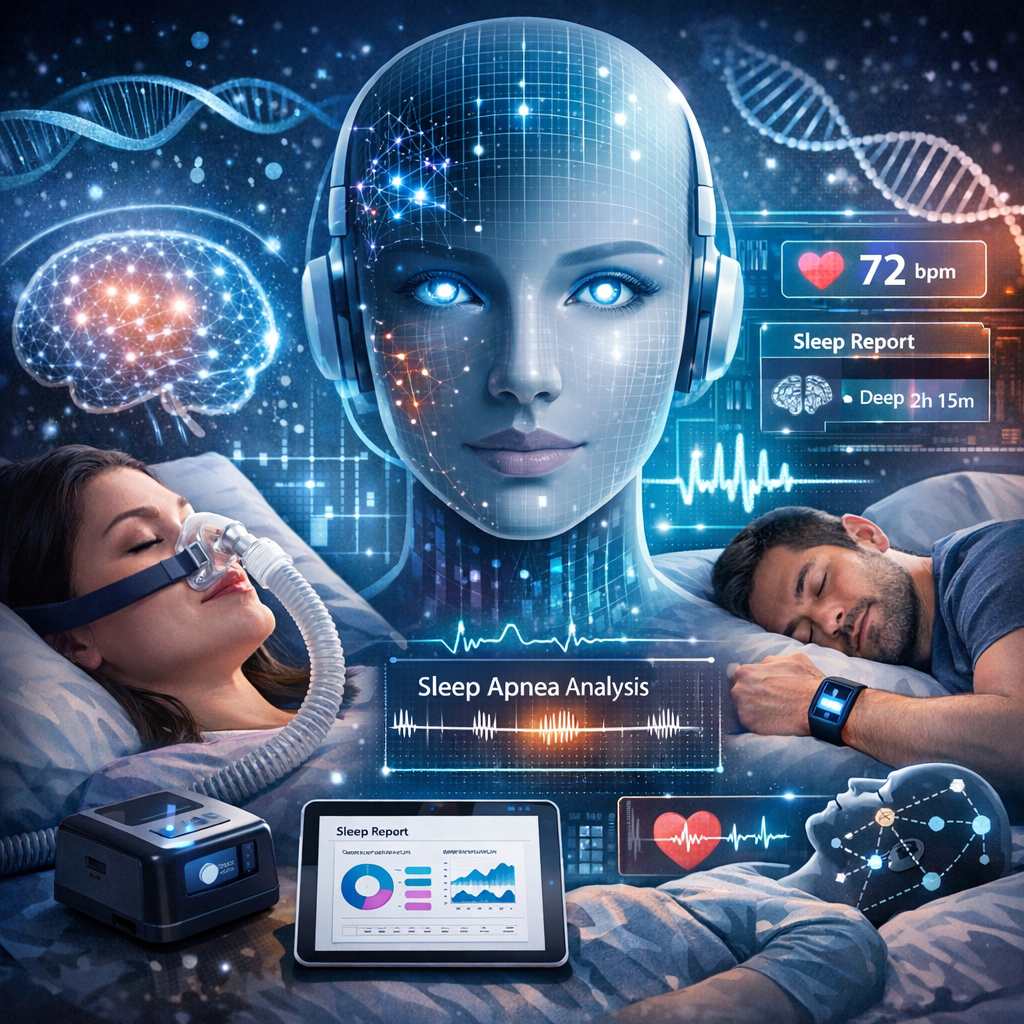
The integration of AI in healthcare has ushered in a new era of data analysis, facilitating the examination of vast datasets that are beyond human capacity to process. AI algorithms can detect patterns and correlations within **sleep data**, providing insights into how sleep may influence cardiometabolic health. For instance, AI can identify trends such as reduced deep sleep phases or frequent nocturnal awakenings, which could be early indicators of potential health issues.
Incorporating AI into sleep analysis offers a personalized, data-driven approach to predicting cardiometabolic risk. By analyzing individual sleep data over time, AI can generate personalized risk profiles, highlighting areas of concern and suggesting interventions. This proactive approach allows for early intervention, potentially mitigating future health problems.
Furthermore, the predictive power of AI extends beyond individual health. Aggregated data from large populations can reveal broader trends and inform public health strategies. By understanding the relationship between sleep and cardiometabolic health at a population level, healthcare systems can tailor prevention programs and allocate resources more effectively.
The potential for AI to revolutionize cardiometabolic risk prediction through sleep data analysis is immense, yet it also poses challenges. Concerns about **data privacy**, accuracy, and the need for robust validation of AI models must be addressed. Nonetheless, the promise of AI offers a transformative opportunity to enhance our understanding of sleep’s role in health and to improve outcomes for individuals worldwide.
Professional and Medical Studies
Numerous studies highlight the relationship between sleep disruption and cardiometabolic risk, paving the way for AI to harness this data effectively. For instance, research published in the journal *Sleep* found a strong link between poor **sleep quality** and increased **body mass index (BMI)** and waist circumference, both of which are critical indicators of cardiometabolic health. These findings suggest that sleep assessment could be integrated into strategies for early detection of **metabolic syndrome** and related disorders.
Another study from the *Journal of Clinical Sleep Medicine* examined the role of **obstructive sleep apnea (OSA)** in cardiometabolic risk. OSA is associated with intermittent hypoxia, a condition that can alter glucose metabolism and increase insulin resistance. By detecting OSA indicators in sleep data, AI can predict potential metabolic disturbances, contributing to early lifestyle or therapeutic interventions.
A 2022 study led by researchers at the **University of California, San Francisco**, explored using machine learning algorithms to predict diabetes risk from sleep data. Their AI models not only considered traditional sleep metrics but also incorporated environmental and behavioral inputs. The results showed a promising accuracy rate, demonstrating the potential for AI to provide actionable insights from complex data sets.
In the field of cardiology, a study published in the *European Heart Journal* highlighted how AI applied to sleep ECG data could predict the risk of **atrial fibrillation**, a condition linked to stroke and heart failure. The nuanced understanding AI provides could lead to earlier diagnosis and management, reducing the likelihood of complications.
These studies exemplify the ongoing research efforts to harness AI for cardiometabolic risk prediction using sleep data. As AI technology matures, the accuracy and clinical relevance of these predictive models will likely improve, offering new opportunities for patient care and public health initiatives. However, further research is essential to establish standardized methodologies and ensure that AI interventions are both effective and accessible.
**Conclusion**
In conclusion, the intersection of AI and sleep data represents a cutting-edge frontier in healthcare, potentially transforming how we approach cardiometabolic risk prediction. The ability of AI to process and interpret complex sleep datasets offers a personalized, data-driven approach to identifying health risks before they manifest as clinical conditions. While there are challenges to overcome, particularly concerning data privacy and the accuracy of AI models, the potential benefits are significant. By leveraging AI’s capabilities, healthcare providers can offer more targeted interventions, improve patient outcomes, and optimize public health strategies. As research progresses, the integration of AI in sleep analysis is poised to play an instrumental role in the proactive management of cardiometabolic health, ultimately leading to healthier populations and reduced healthcare burdens worldwide.
**References**
1. *[Sleep-Disordered Breathing and Cardiometabolic Risk: Current Evidence](https://academic.oup.com/sleep)*
2. *[Obstructive Sleep Apnea and Its Impact on Glucose Metabolism](http://jcsm.aasm.org)* in Journal of Clinical Sleep Medicine.
3. *[Machine Learning Case Study on Sleep Data & Diabetes Risk Prediction](https://datascience.ucsf.edu)*, University of California, San Francisco Study.
4. *[Artificial Intelligence Predictive Models Utilizing Sleep ECG for Cardiovascular Health](https://academic.oup.com/eurheartj)* in European Heart Journal.
**Concise Summary**
AI’s integration into sleep data analysis offers innovative approaches for predicting cardiometabolic risk by identifying patterns linked to heart disease, stroke, and diabetes. Through analyzing sleep metrics paired with behavioral inputs, AI generates personalized risk profiles. These insights empower early intervention and public health strategies. Despite promising applications, challenges, such as ensuring data privacy and AI model accuracy, remain. Future advancements may enhance AI’s ability to positively impact healthcare and reduce disease burdens worldwide.

Dominic E. is a passionate filmmaker navigating the exciting intersection of art and science. By day, he delves into the complexities of the human body as a full-time medical writer, meticulously translating intricate medical concepts into accessible and engaging narratives. By night, he explores the boundless realm of cinematic storytelling, crafting narratives that evoke emotion and challenge perspectives.
Film Student and Full-time Medical Writer for ContentVendor.com